38 min
Guest: Lucas Walker
This episode is a little different.
Because for the 200th episode of Fraudology, I’m the one in the hot seat.
And honestly, that felt both very fitting and a little strange.
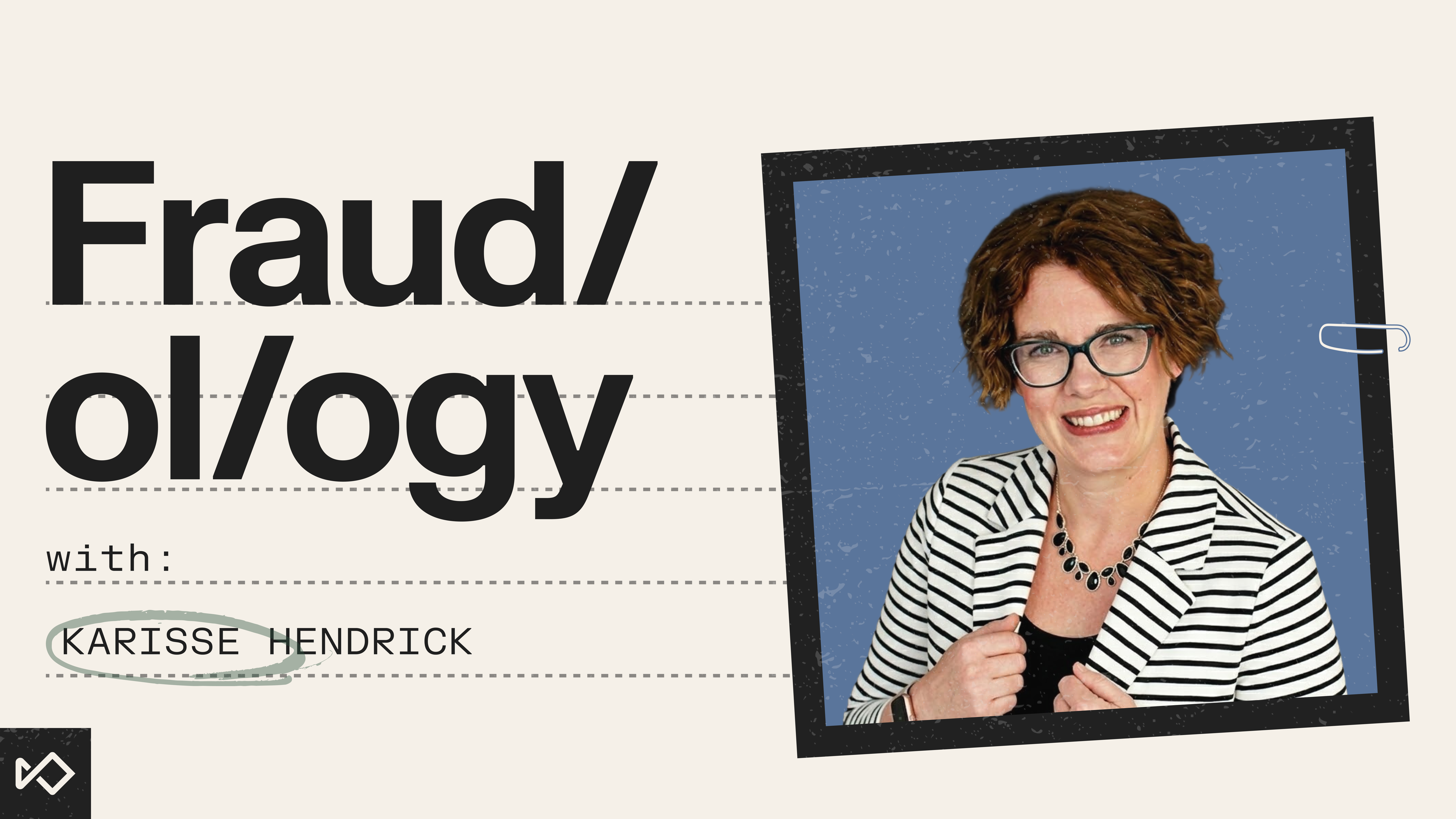
Instead of interviewing one of the many smart fraud fighters who have joined me on this podcast, I asked my friend and podcast producer, Lucas Walker, to turn the mic around and ask me the questions.
Some of them are about my fraud fighter journey. Some are about the Fraudology podcast milestone itself. And some came directly from listeners, which made this episode even more meaningful to record.
We talk about how I got into fraud, why I stayed, what I think people still get wrong about online fraud myths, and what I have learned from years of working alongside ecommerce teams trying to solve very messy problems.
Here are a few themes we explore in this episode:
What you’ll hear in this episode:
You should listen to this episode if you:
If you liked this episode, be sure to subscribe and review the podcast on iTunes, Spotify, YouTube, or wherever you listen to podcasts. It really helps with getting the word out.
The 200th episode of Fraudology felt like the right time to pause and reflect a little.
Not just on the podcast.
But on the industry, the people in it, and the path that got me here.
One of the questions Lucas asked me was how I got into fraud in the first place.
And like a lot of people in this industry, it was not exactly a straight line.
That is one of the things that makes the fraud industry career path so interesting. Very few people grow up planning to work in fraud prevention. They get pulled in because the work is complex, important, and honestly pretty hard to walk away from once you understand the impact.
That has definitely been true for me.
Operational themes may include:
We also talked about some of the biggest online fraud myths I still see.
And this is one of those areas where experience really matters.
Because a lot of the bad assumptions in fraud prevention sound reasonable at first. Until you have seen how they play out in practice.
That is where things start to fall apart.
Some myths are about what fraud looks like. Some are about what customers do. Some are about what tools can solve. And some are just overly simplistic ideas that make people feel more confident than they should.
Operational themes may include:
Reaching 200 episodes is a big deal.
And not just because of the number.
What matters more to me is what it represents. The conversations. The relationships. The support from listeners. The guests who took the time to share what they know. And the community that formed around all of that.
That part has meant a lot.
This fraudology podcast milestone is really a reflection of fraud community building over time. It is proof that people in this industry want thoughtful conversations, practical ideas, and a place where they can hear from others who understand the work.
Operational themes may include:
One thing I have learned over the years is that fraud leadership lessons do not have to sound polished to be useful.
Actually, sometimes the opposite is true.
The best lessons usually come from the hard moments. The times something did not work. The moments you questioned whether the work was sustainable. The situations where the answer was not obvious and the tradeoffs were real.
That is the kind of conversation I wanted this episode to have.
Because fraud career advice is most helpful when it is honest about how complex this work can be, while still making space for why people stay in it and what makes it worth doing.
Operational themes may include:
One of the things I really appreciated about recording this episode is that it gave me a chance to reflect on the people who helped make Fraudology what it is. This 200th episode is not just about me. It is about the guests, the listeners, the sponsors, and the broader fraud community that has supported this show along the way. And that is the part I will never take for granted.