38 min
Ian Mitchell and Terry Schappert
Today I am talking about the human cost of online fraud and what gets missed when we only measure fraud by dollars, losses, and operational pain. Because that is really the issue here. Most of us who work in fraud spend a lot of time focused on the financial cost to our companies or institutions. That makes sense. But fraud does not end with the chargeback, the loss event, or the laundering pattern. A lot of the time, it connects to something much darker and much more human.
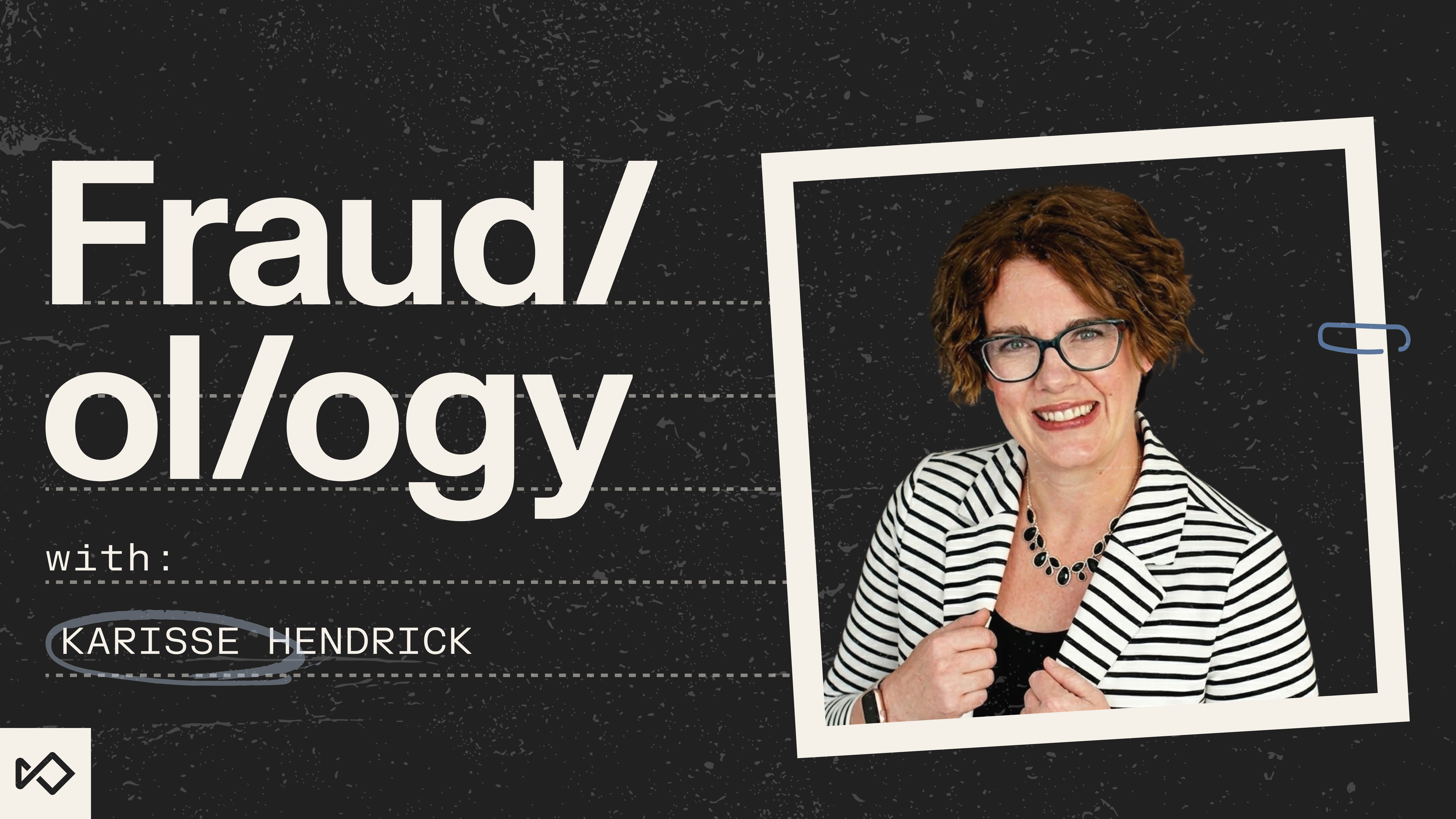
In this episode of Fraudology, I am joined by Ian Mitchell and Terry Schappert from The Knoble to talk about two of the biggest fraud-related crimes that carry a very real human cost. These are difficult topics, including child exploitation and human trafficking or modern slavery, and that is exactly why they matter. They are not separate from online fraud. In many cases, they are funded by it, enabled by it, or directly tied to the same criminal systems.
We also talk about the exciting outcomes from The Knoble’s recent project, Project Umbra, and what can happen when fraud fighters come together around a mission bigger than pure loss prevention. And this matters. Because the human cost of online fraud is not just a side issue or a moral footnote. It is part of the real impact of fraud, money laundering, and organized crime. If we say we fight fraud, then we need to understand who gets hurt beyond the ledger too.
Here is what that fraud lens means in practice:
What you’ll hear in this episode:
You should listen to this episode if you:
If you liked this episode, be sure to subscribe and review the podcast on iTunes, Spotify, YouTube, or wherever you listen to podcasts. It really helps with getting the word out.
Let’s break this down. One of the most important ideas in this episode is that fraud is not always just a financial event. Yes, it creates loss. Yes, it affects companies, banks, and merchants. But in a lot of cases, fraud also connects to exploitation, coercion, and human suffering in ways that many fraud teams are not trained to recognize clearly enough.
That matters because when we treat fraud only as a business problem, we miss the broader reality. The human cost of online fraud includes people being manipulated, trafficked, forced into criminal activity, or trapped inside systems that depend on financial crime to keep going. That changes how we should think about the work.
This is exactly why this conversation is so important. It pushes fraud fighters to look past the immediate transaction and ask what else the fraud may be supporting, funding, or hiding.
This is where the conversation gets especially heavy, but also especially necessary. Ian and Terry talk about the connection between human trafficking and fraud, as well as modern slavery cybercrime, and the core point is that these are not isolated issues.
Here’s what is actually happening. In some cases, exploitation creates the conditions that force people into fraud and laundering activity. In other cases, fraud-funded exploitation helps sustain larger criminal operations. Either way, fraud and money laundering are often part of the same machinery that supports organized abuse.
That is why these topics matter so much for fraud professionals. If organized crime and exploitation are tied to financial activity, then the people working closest to financial signals have a role to play in identifying, escalating, and disrupting that harm.
Another major theme in this episode is the idea of online fraud collateral crimes. This is one of those concepts that can change how a fraud team sees its own job.
At first glance, a fraud event may look like stolen funds, suspicious account activity, or money laundering behavior. But when you look more closely, that same activity may be tied to human trafficking online scams, child exploitation, or broader criminal systems that depend on financial movement to survive. That is a much bigger picture.
This is exactly why the human cost of online fraud deserves more space in fraud conversations. Not because every fraud analyst needs to become a specialist in exploitation cases overnight. But because awareness changes what people notice, what they escalate, and what they are willing to question.
One of the most encouraging parts of this episode is hearing about Project Umbra and the outcomes that came from people working together through The Knoble. That matters because these issues can feel overwhelming if you only think about them at the scale of the whole problem.
Project Umbra is a useful reminder that fraud fighter collaboration is not just a nice idea. It can produce real movement, real intelligence sharing, and real progress when people align around a meaningful mission. That is especially true when the work goes beyond protecting revenue and starts focusing on protecting people too.
This is exactly why The Knoble matters in this conversation. It represents a model where anti-human trafficking fraud efforts are not separate from fraud work. They are part of what responsible fraud fighting can look like.
The broader lesson from this episode is that fraud work gets stronger when we expand what we believe we are responsible for noticing. Loss prevention still matters. Operational defense still matters. But harm reduction matters too.
If fraud and money laundering can help support exploitation, then preventing fraud is not just about stopping financial leakage. It is also about interrupting systems that hurt people. That is a bigger responsibility, but it is also a more honest one.
That is really what this episode pushes all of us to think about. Not just how to stop fraud more efficiently, but how to understand what is really at stake when we do or do not catch it.
The bigger theme in this episode is that online fraud is not only expensive. It can also be deeply human in its consequences. Ian and Terry help make that reality impossible to ignore by connecting fraud, laundering, trafficking, exploitation, and collaboration into one much clearer picture. And that is the real takeaway. If we want to understand the full cost of fraud, we have to be willing to look beyond the numbers and see the people affected by what the money is actually doing.