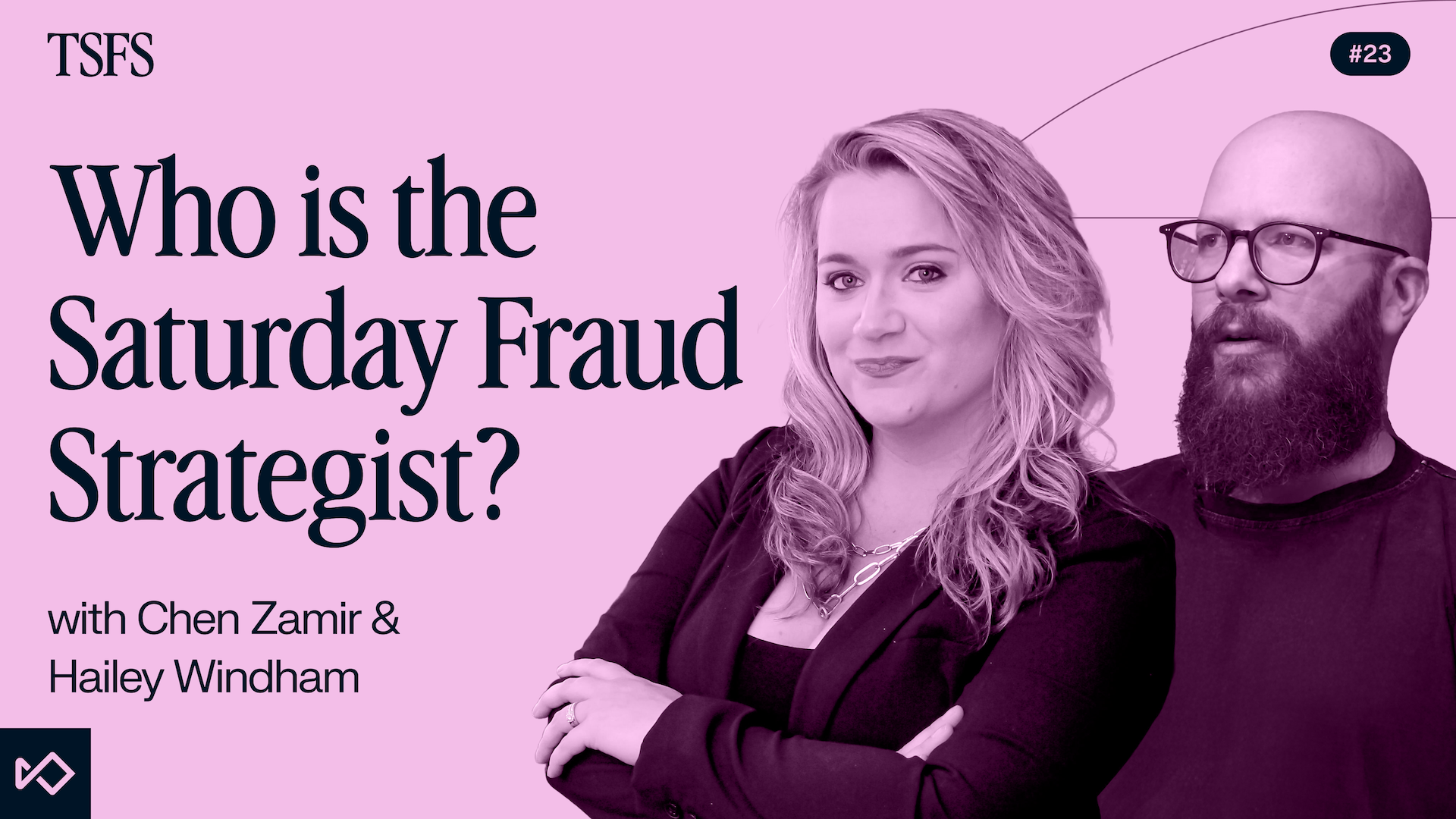
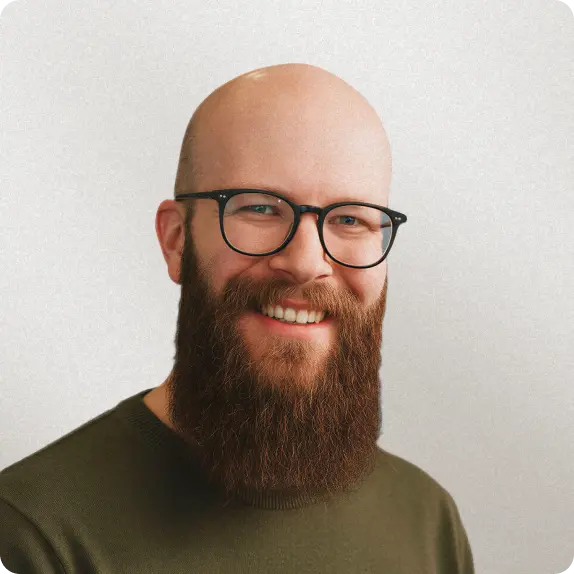
So it's been exactly six months since I joined Sardine. And I wanted to take the opportunity and share how and why I made this decision. Now before we get started I want to make it clear - making that decision wasn’t hard, but it wasn’t simple either. And I think it makes sense for me to share my thoughts around it. Why wasn’t this decision so simple? Well, for the first time in 11 years I was going to become an employee again. When I confided my decision to some of my closest friends I got a lot of questions: Why join a team? Why Sardine? Why now? What about Native[risk]? And I’m sure that some of my readers had the same questions going through their heads when they saw my announcement back then. So I want to share my thought process, how I reached this decision, and what’s next for me. Let’s start with why join a team in the first place? The million dollar question. To answer that I need to share why I started solo-consulting in the first place. When Fraugster, my previous company, went through bankruptcy I wasn’t exactly sure what I wanted to do next. Everything was on the table: from starting a new venture, joining a scale-up, or even becoming a woodworker (real story). But after a few months of soul-searching and speaking about it with my partner, I realized that I want to orient my life around my family for a change. In the 9 years I’ve been a founder, it always felt like I was juggling two competing sets of priorities–work and family. And to be frank, usually, work won. Unfortunately - but that was reality. But regardless of which side “won” my attention, I always felt guilty towards both parties. It felt like I’m always coming up short. My life also changed. I became a father, we were planning a second kid (who is now almost two years old!), and we were thinking seriously about leaving Berlin (which we did last year!). To me, working solo seemed like the answer for it all–no co-founders, no employees, no boss, no investors. I can work with whomever I want, whenever I want, from wherever I want. This was the freedom I yearned for. And consulting worked out great for a while–I had a blast, I grew tremendously, I re-ignited my passion for fraud prevention, and yeah, I also made a decent profit. But after 2.5 years, I realized that the sense of freedom I was holding onto was an illusion. How come? Well, if you’ve ever worked in the B2B services business, you know that forecasting your revenue is practically impossible. Some 6-figure clients would materialize from thin air and we’d start an engagement the following week. Other clients could take long months to decide if and what they wanted to do together. It put me in an awkward position. Even when I signed big deals, I was still anxious. “What if that’s the last big deal for this year?” The result was that I held myself back from anything but basic spending–not really investing in my business on the one hand, but also not taking much-needed holidays on the other. And it all hit me when I took my first vacation this last summer. Even though I was making good money and in control of my time, it was the first family vacation in three years(!). That’s when I realized I craved some certainty in life. And that’s when I started thinking seriously about joining a team. OK, why Sardine? Looking at what kind of role I wanted to take on, I knew two things: it had to be a remote role (you know, I live in southern Spain and the biggest tech company around me is the local garage) - so it had to be remote, and it had to be part-time. That meant choosing between two options: The first would be to go back to my roots and take a leadership role in data/product/engineering in the fraud prevention space. And while there were plenty of such open positions, I figured that the likelihood of me keeping it pa�[118;1:3urt-time was low. The second option would be to capitalize on the brand and presence I’ve built over the years and take an evangelizing or strategy role with one of the vendors in the space. Not so many opportunities, but it got me really excited. If there was anything I really enjoyed in my solo career, it was delivering high-impact, educational content. It was always a passion of mine, and the last few years have been immensely fulfilling in that regard. But here’s the interesting part: I actually only thought about such a role because just before that eye-opening summer vacation I mentioned, the team at Sardine reached out to see if there was a chance for us to collaborate. Back then I was hesitant as many of my prospects were competitors. But once I made up my mind, they were my first call. But it wasn’t only that. Watching Sardine throughout their - our - journey left me with a strong impression. First, they really knew what they were talking about. So many founders today come from outside the industry, and it’s definitely not the case with Sardine - and it shows. Second, their product was incredibly impressive–the first fraud orchestrator, designed for fintechs, FIs and enterprise merchants, low-code and yet sophisticated. I had never seen something like that before, and to be honest? I was glad Fraugster went out of business just before we had to compete with them directly. But the thing that I liked most was different: they were absolutely killing it with their marketing and branding. Every bit of it reminded me of what guides my own content: value-first, educational, and practitioner-led. This was exactly the team I knew I would be proud to be part of. So, what do I actually do at Sardine? Glad you asked! My role bridges two worlds I'm passionate about: creating content and shaping fraud prevention strategy. This means that on one hand I’m contributing to Sardine's educational content - publishing best practices, insights, guides, and from now on also interviews - all designed to cut through the noise and speak directly to you - fraud fighters. Beyond content, I'm also working with the product and leadership teams to make sure that what we build actually solves real problems. Believe me, after 16 years in the trenches, I know the gap between what vendors promise and what practitioners need. My job is to close that gap. And… How's it been in those six months I’m here? Simply put? I’m having a blast! Looking back at everything I wrote, everyone I met, and now - everything I’m recording - I actually can’t believe it’s been just six months. And let me tell you this - we’re only getting started.