Marketplaces
Marketplaces
Keep bad actors off your marketplace
Sardine gives you one view of every account, from sign-up to payout. Device, behavioral, and network signals stop bad actors in real-time, without slowing legitimate buyers and sellers.
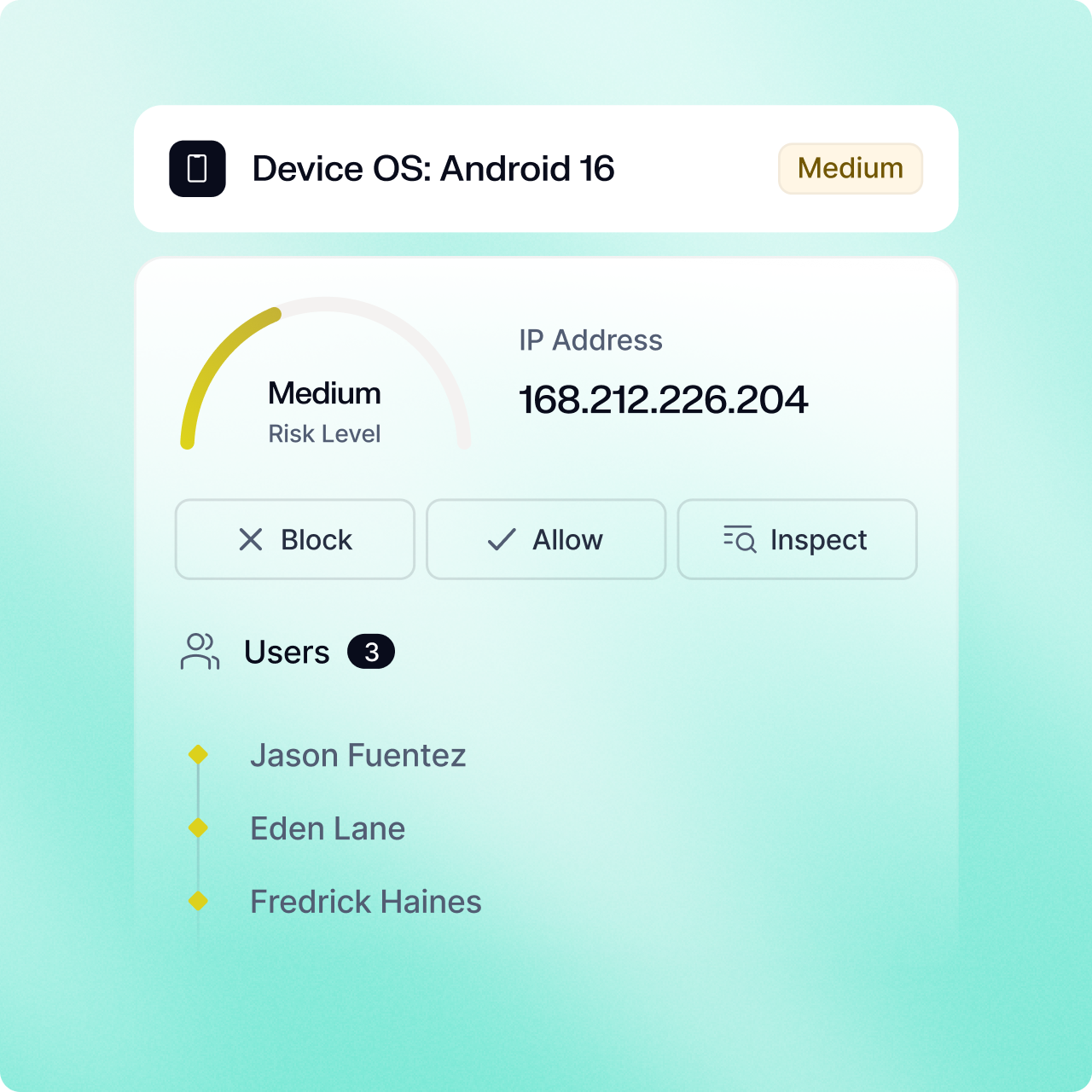

One view from sign-up to payout
The same device and behavioral signals follow each account across sign-up, onboarding, payment, and payout.

Verify sellers without slowing down good ones
Check the business and its owners at onboarding. Only risky applications go to review.

Stop bots and the people behind the accounts
Link accounts that share a device, bank account, or phone, and tell scripted bots from real buyers and approved agents.

Know repeat abusers before they list
Connect risk across device, email, and identity to uncover repeat abuse that no single marketplace sees.
Reduce risk across the marketplace lifecycle, from sign-up to payout
Seller Onboarding
Onboard real sellers and keep fake businesses out
Fraudulent sellers list goods they never ship or move stolen funds. Each business is verified, and each application is checked against device and network signals before the first listing.
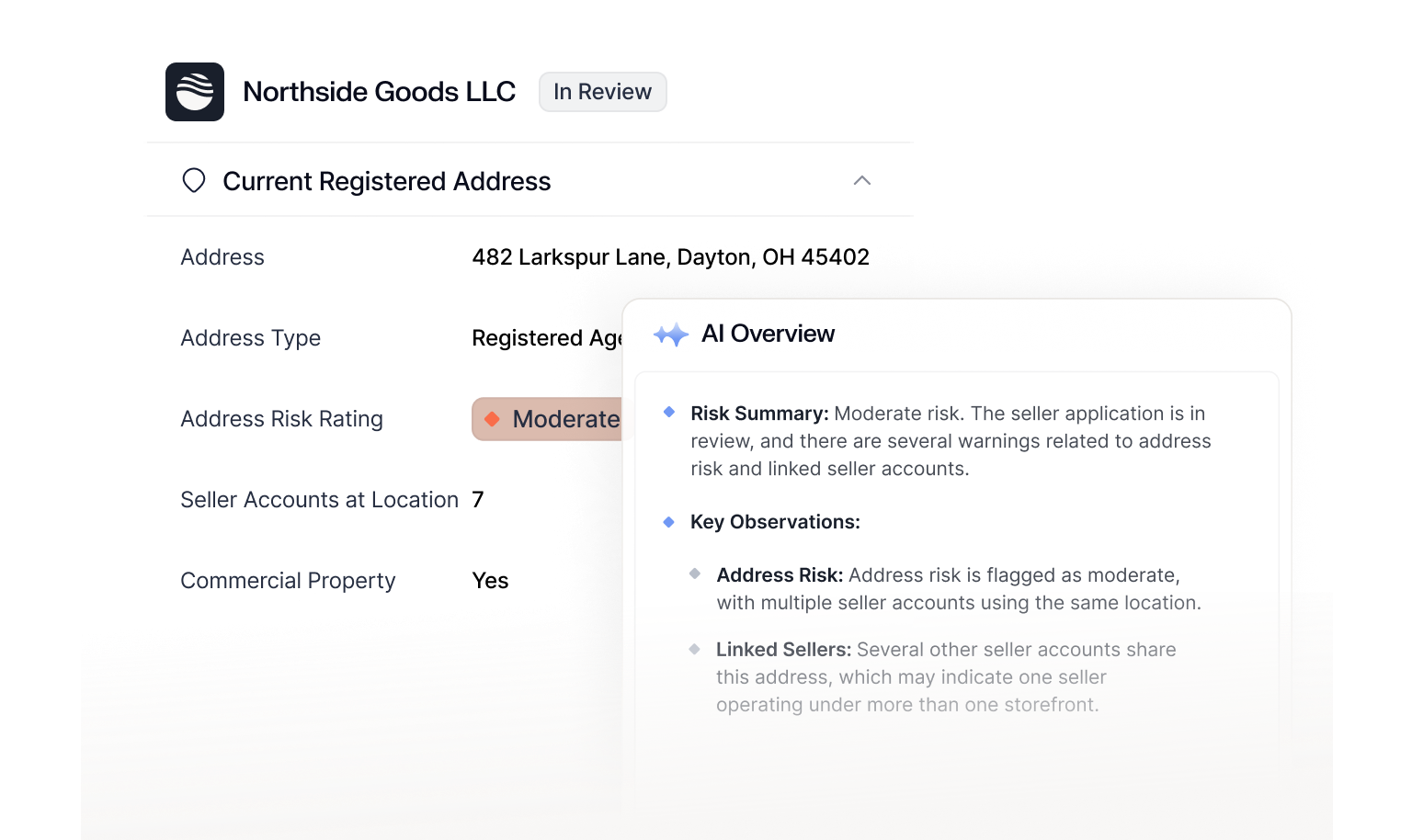

Check tax ID, registration records, address, web presence, the category sold, and owner and sanctions screening.

Link applications that share a device, bank account, address, or tax ID.

Flag a good seller that changes, like a new device, a new bank account, or a sudden shift in volume.
Consumer Onboarding
Stop one person from becoming many buyers
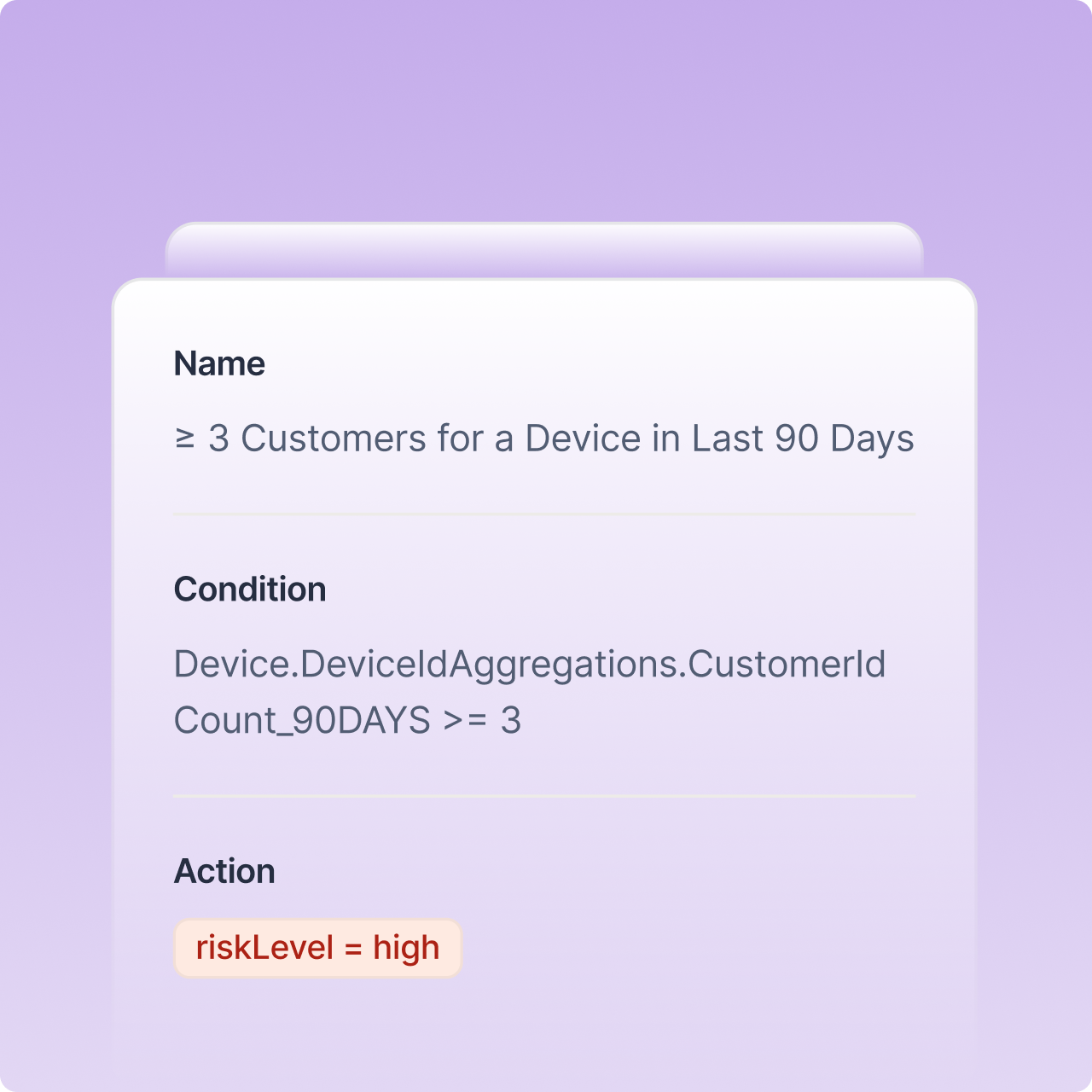
Fake accounts, repeat sign-ups from one person, and bots farm credits and referral rewards. The same device and behavior are recognized even when emails and phone numbers change.
Buyer-Seller Collusion
Expose buyers and sellers working together
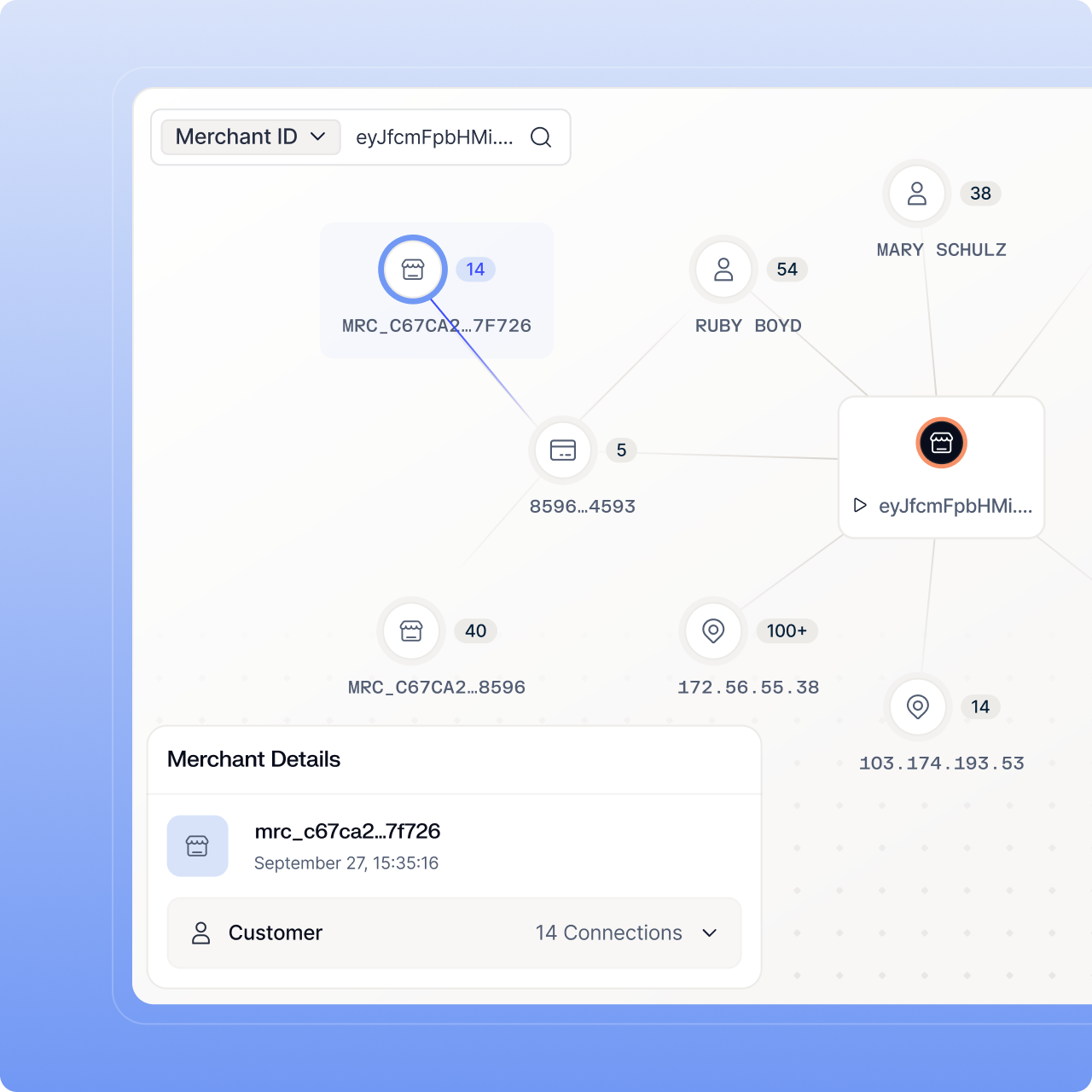
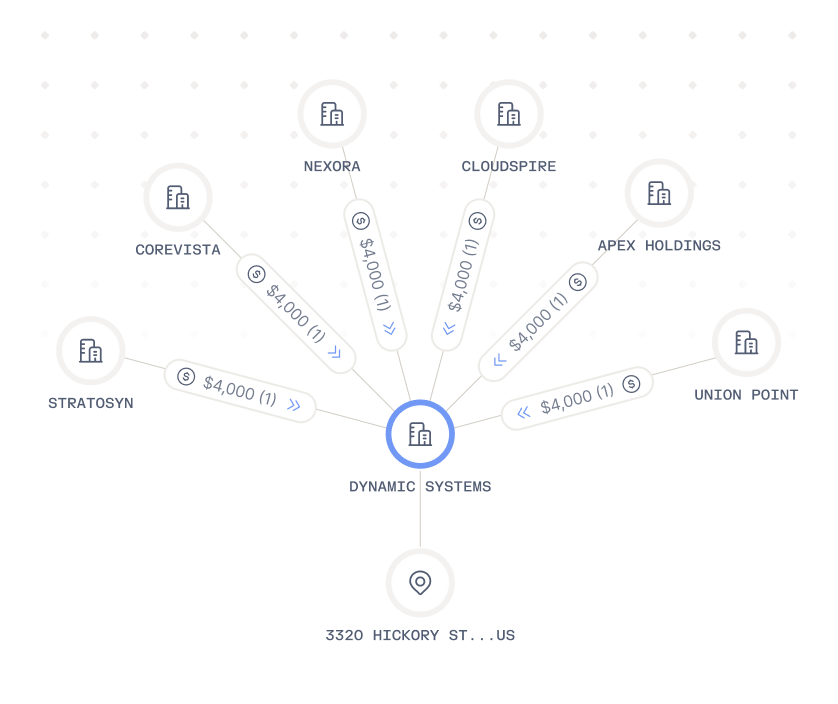
Colluding accounts create fake sales and push stolen funds through payouts. The accounts behind a transaction are linked, so a relationship that looks independent shows up as one network.
Payment Fraud
Protect payments and payouts together
Marketplaces carry risk on both sides: stolen cards from buyers and redirected payouts to sellers. Each payment and payout is scored in real-time with the same signals.
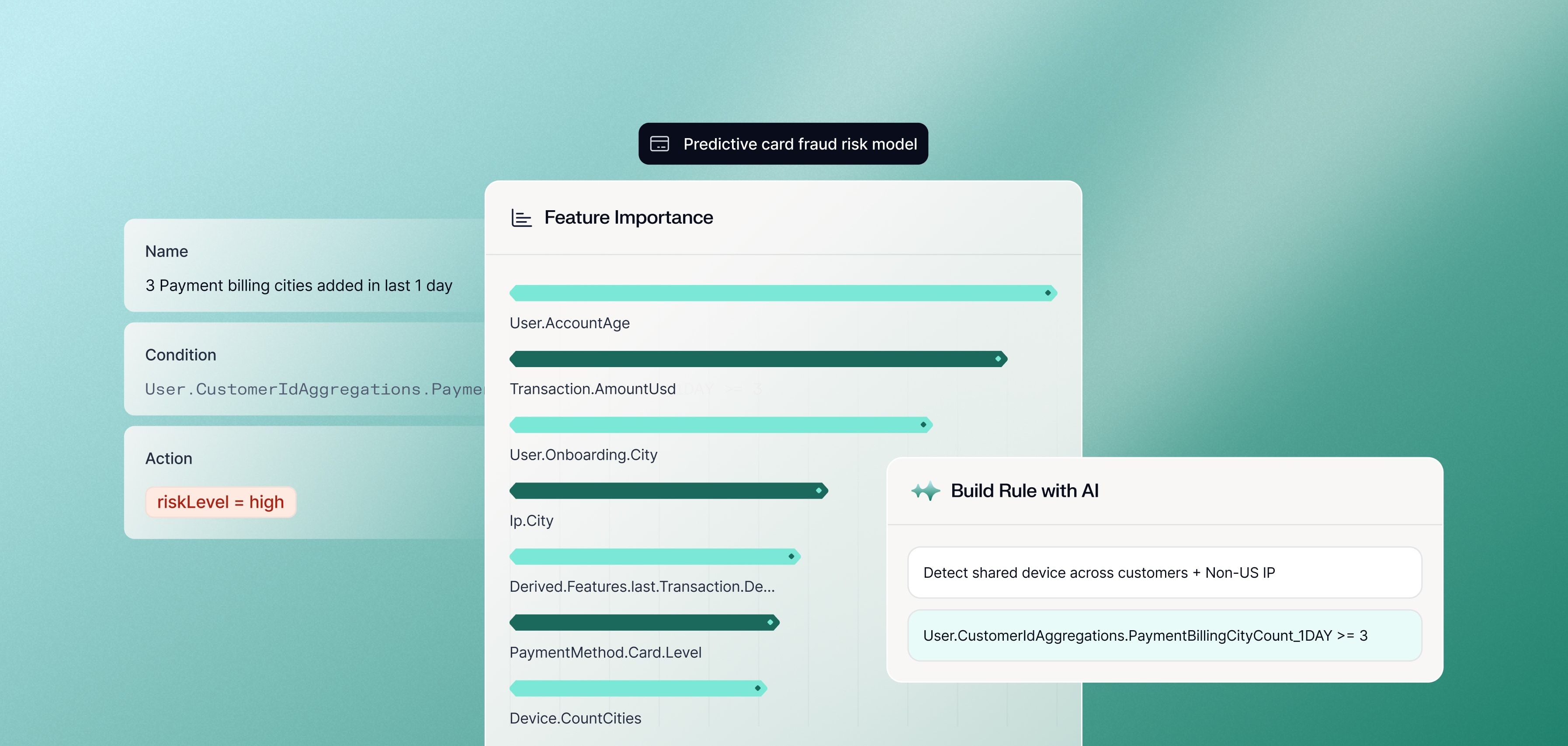

Detect repeated attempts from the same device, email, or IP before they inflate declines.

Step up or hold a payout to a new bank account after a device change, before funds leave.

Flag refund velocity and address links that point to abuse groups. Matching device evidence supports disputes.
Account Takeover
Protect buyer and seller accounts after login
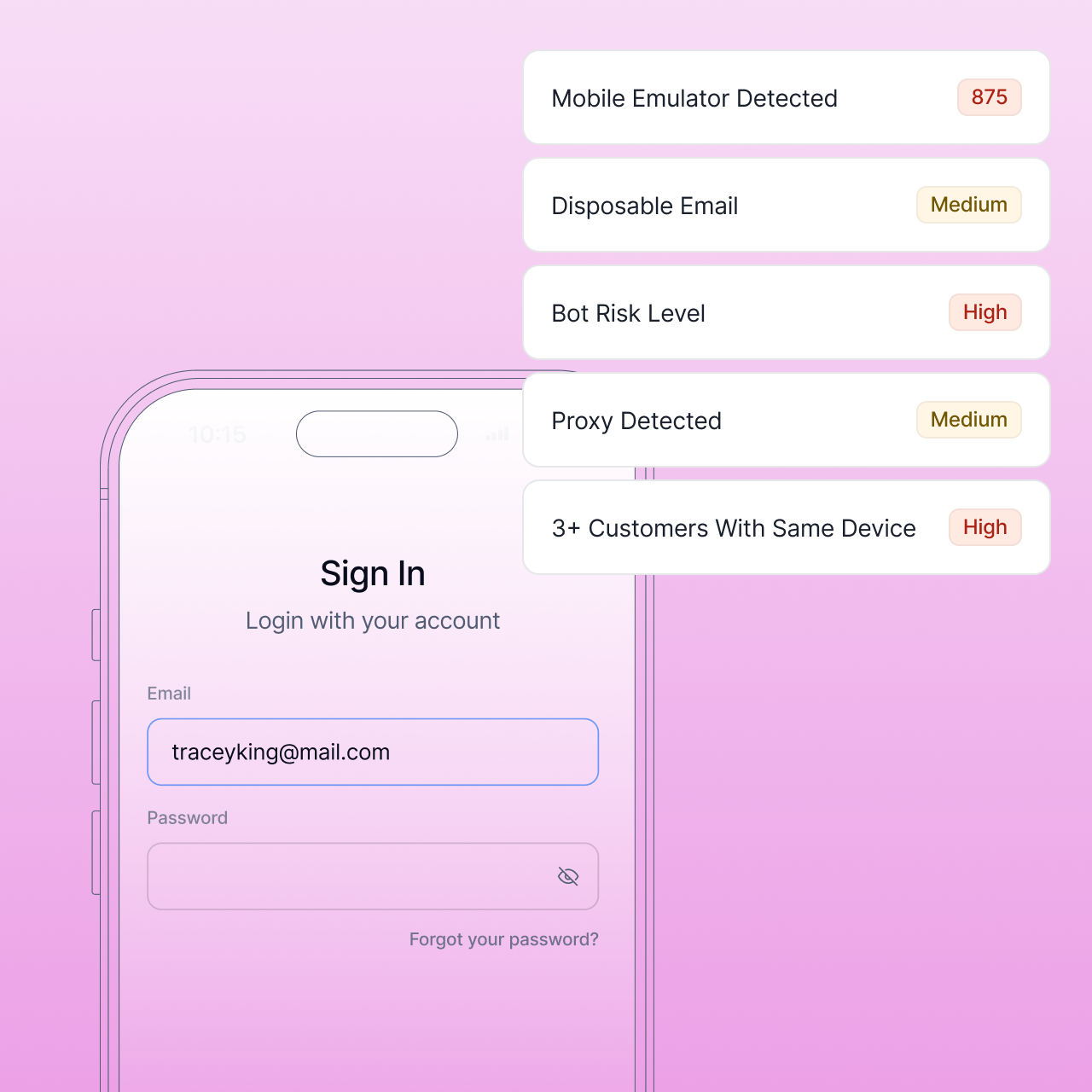
Attackers take over seller accounts to redirect earnings and buyer accounts to spend stored value. A new device, a remote access tool, or a bank account change gives them away.
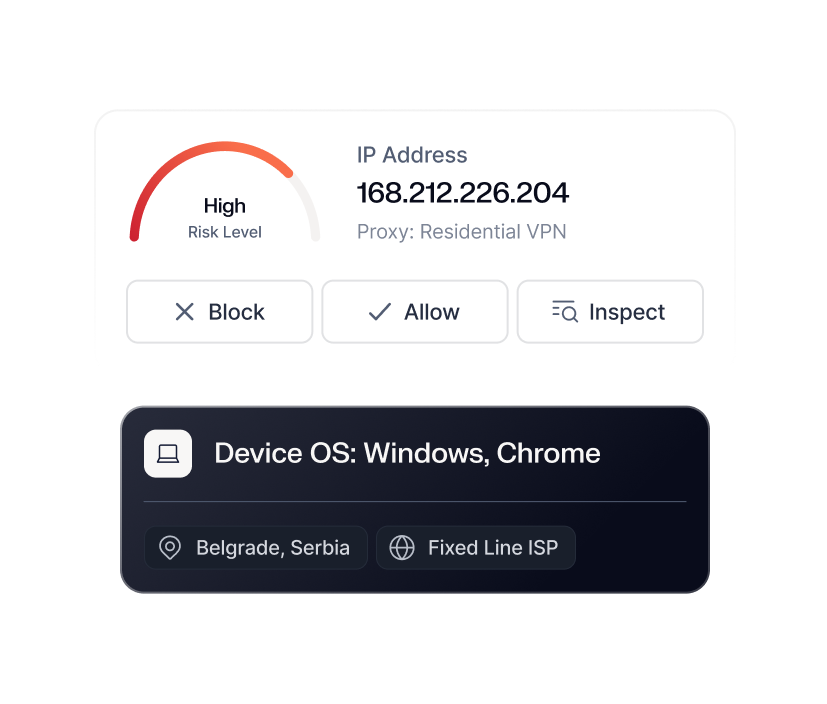
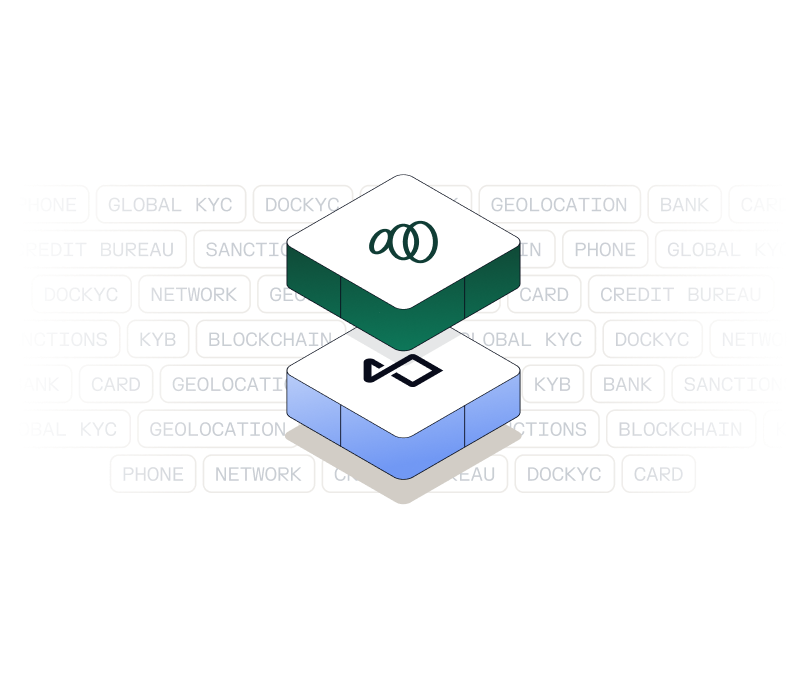
Check every buyer and seller against signals beyond your own data
Agentic AI
Move faster on every seller review
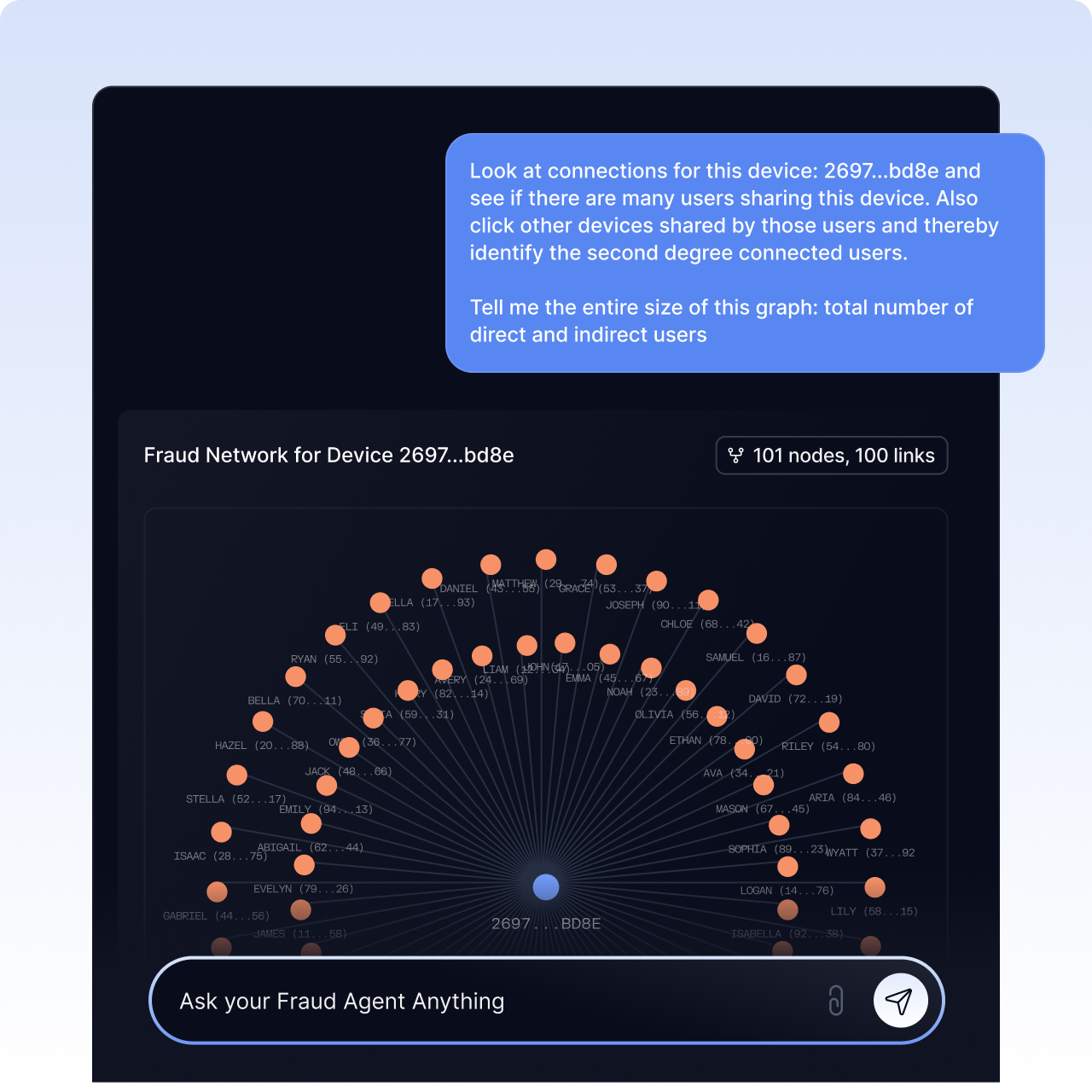
Agents research businesses and owners, uncover connected accounts and fraud rings, and document every decision, so your team spends its time on cases that need judgment.
Backed by the industry’s leading data platform
Device and behavior
Know the person behind every account
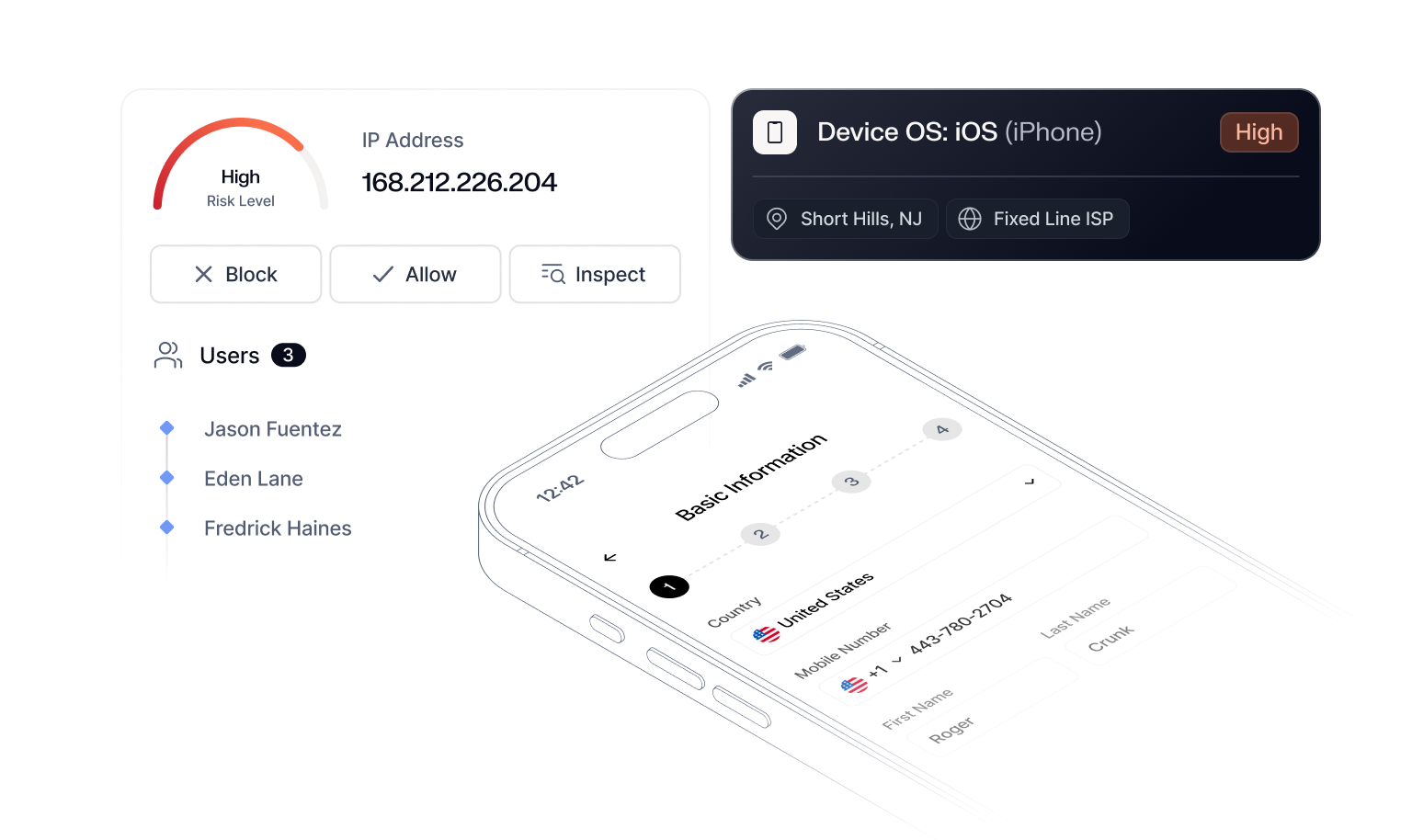
Device and behavioral signals show whether a real person is present, whether the device can be trusted, and whether it is the same person who signed up or is selling.


Network intelligence
See bad actors flagged elsewhere first
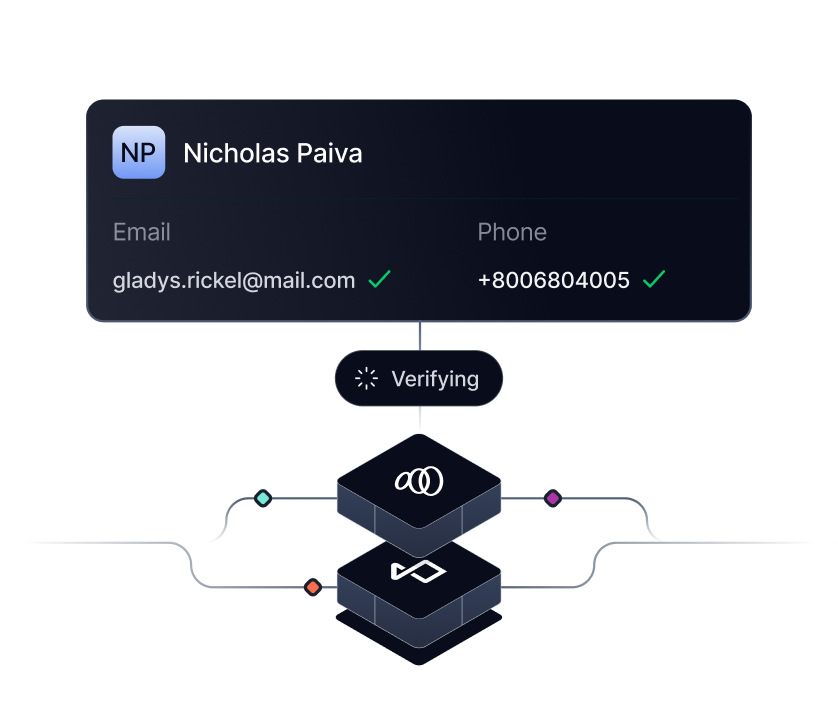
Signals from Sardine's customer base show devices, emails, and identities flagged elsewhere, before an account lists or a payout is released.
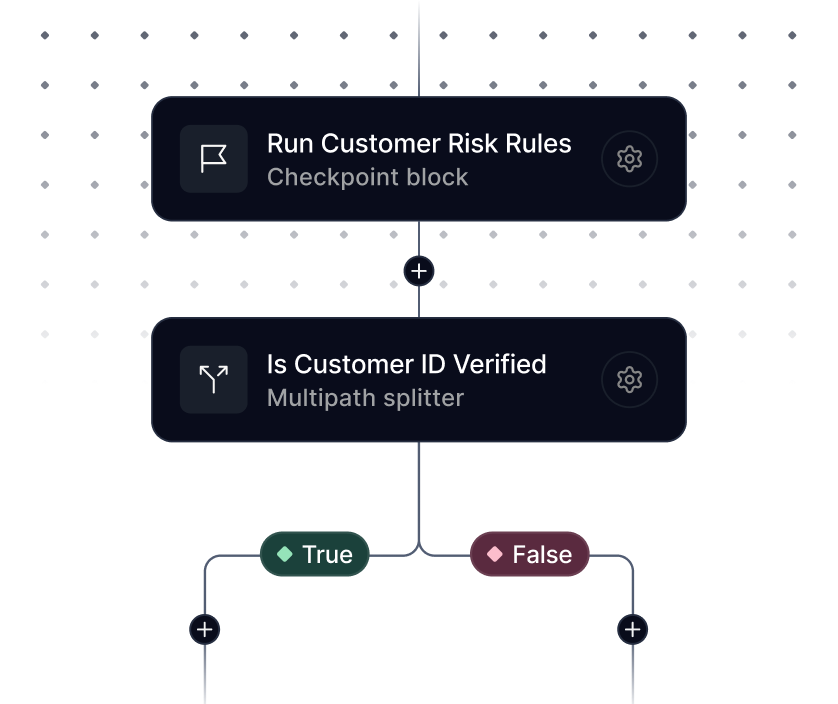
Rules and workflows
Set the rules your risk team controls
Write and tune rules for sign-ups, listings, and payouts without code, step up verification only when risk is high, and keep an audit trail of every decision.
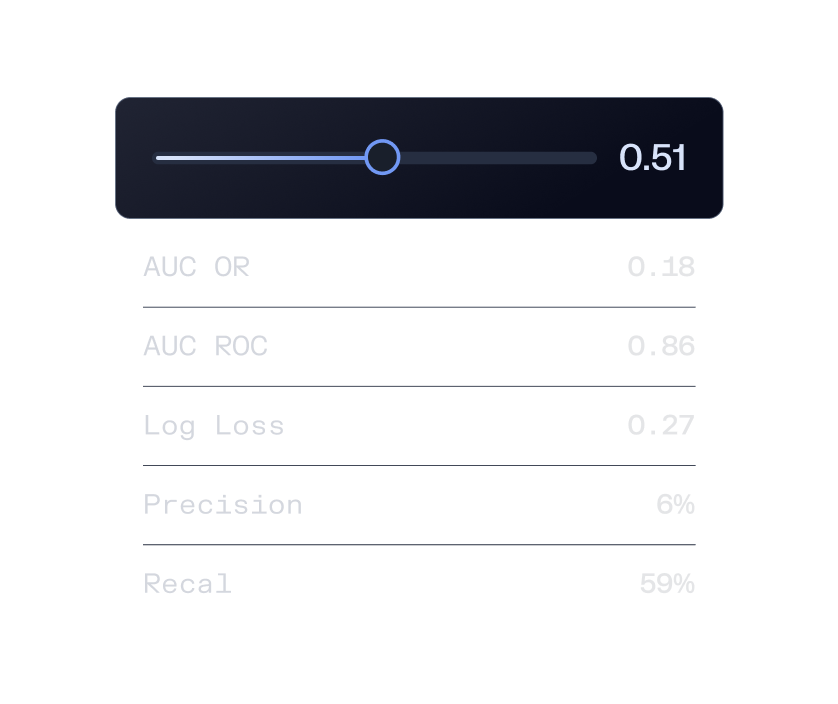
Machine learning
Score every seller and buyer, and see why
Sardine's models score each sign-up, order, and payout in real-time and show the reasons, so analysts can trust the call and tune the rules.
Frequently
asked questions

How is Sardine different from the fraud tools marketplaces already use?
Marketplaces often run seller verification, payment fraud, and abuse detection as separate tools. One platform puts device, behavioral, and network signals together, so every team works from the same view.
Agents also handle the first pass of alert triage and evidence gathering.
Can Sardine work alongside our existing payment and fraud systems?
Yes. It works alongside your payment, identity, and case management systems. Start with one decision point, such as seller onboarding or payouts, and measure the lift against your current setup.
How does Sardine detect multi-accounting and promo abuse?
A persistent device identifier survives cleared cookies and reinstalled apps, with a confidence score for each match. Rules flag one device tied to many accounts, and the Connections Graph links accounts through shared emails, phones, cards, and addresses.
How does Sardine verify sellers?
Checks cover tax ID, registration records, address, web presence, and owner and sanctions screening. Each business gets a risk summary with a recommended next step.
Can Sardine detect buyer-seller collusion?
Buyer and seller accounts are linked through shared devices, IPs, cards, and bank accounts, and unusual activity between them is flagged. Your team can hold a payout or restrict an account during review.
How does Sardine handle bots and AI agents?
Device and behavioral signals separate scripted sign-ups, credential stuffing, and card testing from real users, even when credentials or cards are valid. Know Your Human ties an AI agent to a verified person, so approved agents are not blocked as bots.
How fast can we see results?
Start with a shadow-mode evaluation: run alongside your current tools on live or historical traffic, then compare detection and false-positive rates.