Know Your Human (KYH)
Know Your Human (KYH)
Higher conversions for merchants and shopping agents
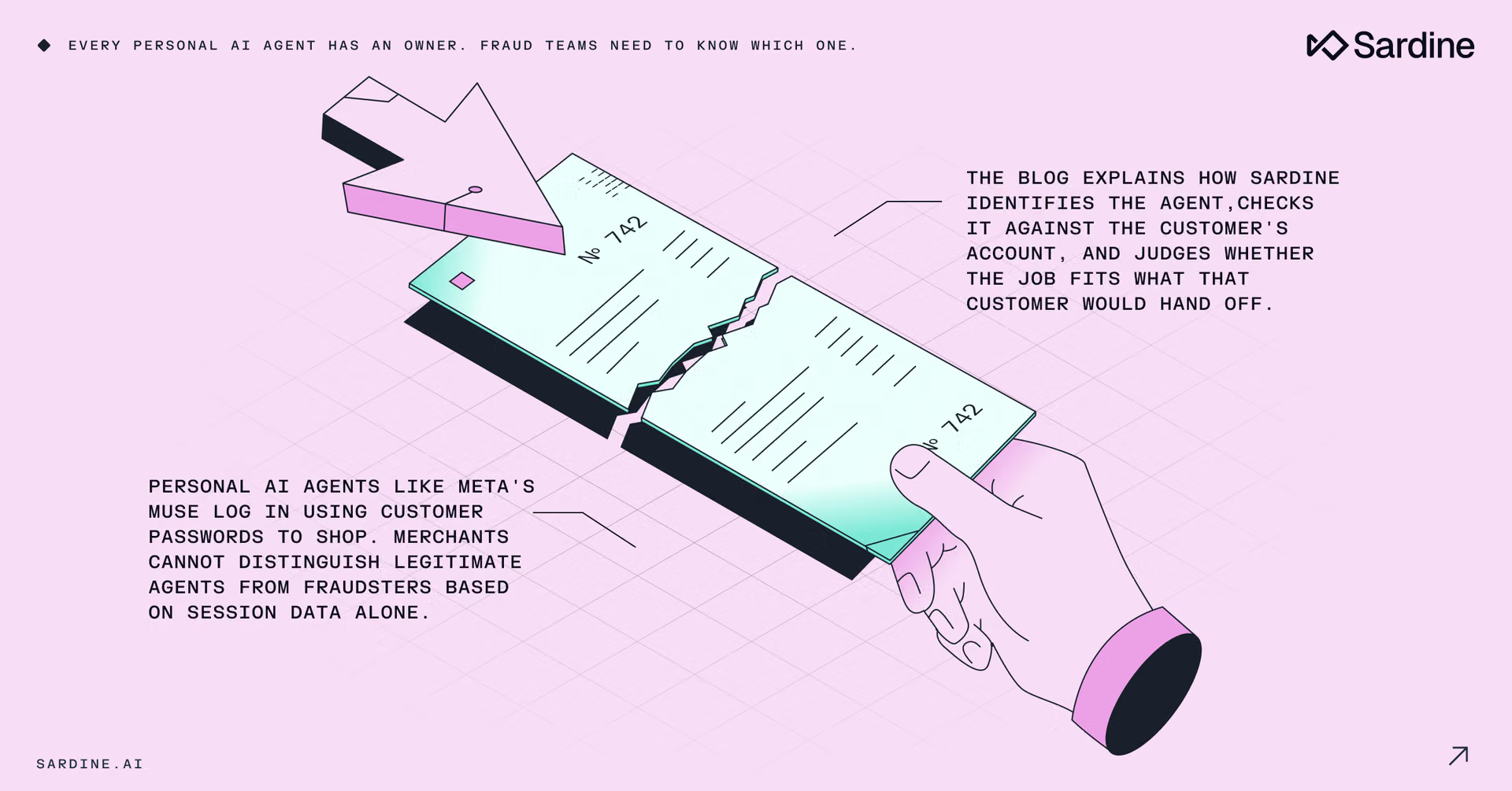
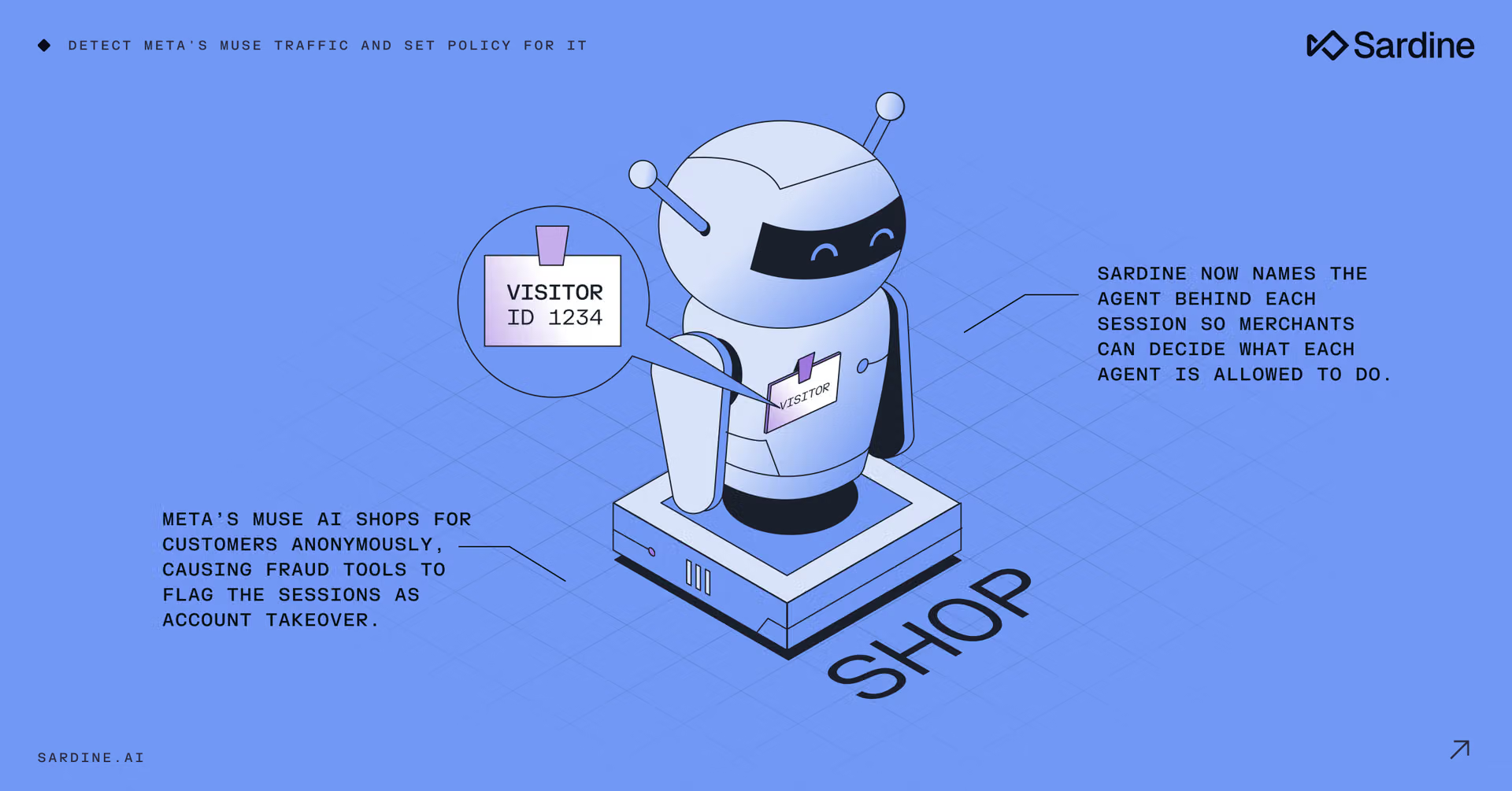
Personal shopping agents have poor conversion rates because they appear as bots and are declined by merchants. Know Your Human (KYH) binds a human’s real identity to their agent.
- Attach human identifiers like device ID, fingerprint, IP address, email, and phone to agents
- Simple, lightweight protocol only requires an agent to pass a few additional HTTP headers to the merchant
- Complementary to all agentic commerce protocols
Learn more about KYH
By submitting this form, you agree that Sardine may contact you about our products and services. For more information, review our Privacy Policy







Stop losing sales from legitimate shopping agents
Approve more purchases by implementing KYH into your checkout flow. Verify the human behind the agent, and approve legitimate orders you might otherwise decline.
Stop being blocked because you look like a bot 🤖
Integrate Sardine KYH to pass your human’s device ID to merchants, and complete more purchases. No changes required from merchants.
See KYH in action
Agent gets blocked while making a purchase
In this example, neither the agent nor the merchant has integrated KYH. At checkout, the merchant detects signs of automation, such as bot activity or emulator use, but can’t identify the human behind the purchase. The order is flagged as high risk and declined, even though it comes from a legitimate customer.
Merchants win more disputes with KYH
Shopping agents hide their human’s device and IP signals, leaving merchants without key evidence for disputes. KYH binds the agent to a human for a stronger dispute response.
Visa Acquirer Monitoring Program
Fraud reports plus disputes both contribute to Visa’s VAMP ratio. If a user submits a chargeback claiming they didn’t authorize the agent, the merchant is penalized twice. KYH helps you block unauthorized agents and prove when a human was actually behind the transaction.
Visa Compelling Evidence 3.0
Visa lets merchants win a cardholder dispute if the same device ID, fingerprint, or IP address were used by that person in two previous transactions within 120-365 days of the current transaction. KYH captures the device intelligence needed to connect the human to the transaction.
Mastercard First Party Trust
Mastercard requires merchants to share device details and IP data to shift liability away from the merchant during first-party fraud disputes. KYH captures the human’s device and IP signals to help you provide the device evidence the program requires.
Verify the human behind an agentic purchase
When an agent places an order, the customer receives a secure verification link via SMS. Opening the link in their browser allows Sardine to capture device and behavior signals that binds the agent to the human behind the purchase.
Create a verification link
To create a verification link, your backend sends Sardine a session key and a one-time code.
- Links can be opened up to 3 times
- Link expires 5 minutes after it’s created
- If link expires, a new link can safely be resent for the same session key
How agents connect each purchase to a real customer
The agent connects the customer’s device to its session using Sardine’s SDK or a merchant-provided Method URL. At checkout, it passes the session details to the merchant, who uses Sardine to retrieve the customer’s device and IP signals, verify the human behind the purchase, and approve the order.
Agent performs KYH to bind device data to session
Option 1: Agent embeds Sardine’s SDK
The agent adds Sardine’s SDK to its own app and passes the session key to it. When the human interacts with the agent, Sardine captures the device fingerprint and binds it to the session key.
Option 2: Agent requests Method URL
The merchant supports the KYH protocol. The agent recognizes this and requests a method URL from the merchant. The agent loads it in the background on the human’s device, the merchant captures the device fingerprint and ties it to the session key.
Approve more purchases from shopping agents
See how Sardine’s KYH helps you connect agents to the human behind the purchase.
Frequently
asked questions

Why does bot detection block agent purchases?
A legitimate shopping agent may use the same cloud infrastructure and browser automation as an abusive bot. Without the customer’s device and IP, the merchant has fewer signals to distinguish them.
Which customer signals does KYH provide?
Agent-KYH-Provider and Agent-Context-Key identify the provider and session used to retrieve the customer’s device fingerprint and IP. The request also includes a forwarded IP and an agent signature. The proposal describes possible extensions to email, phone, KYC, and identity verification data.
How can device data support a dispute response?
A customer may not recognize a purchase made by their agent. Device and IP records can help the merchant associate the order with that customer. Programs such as Visa Compelling Evidence 3.0 and Mastercard First-Party Trust have their own eligibility and evidence requirements; collecting a signal alone does not guarantee a successful dispute response.
Does KYH replace other protocols?
No. KYH supplies customer identity signals for a risk decision. Sardine proposes it as an addition to other agentic commerce protocols.
Featured resources
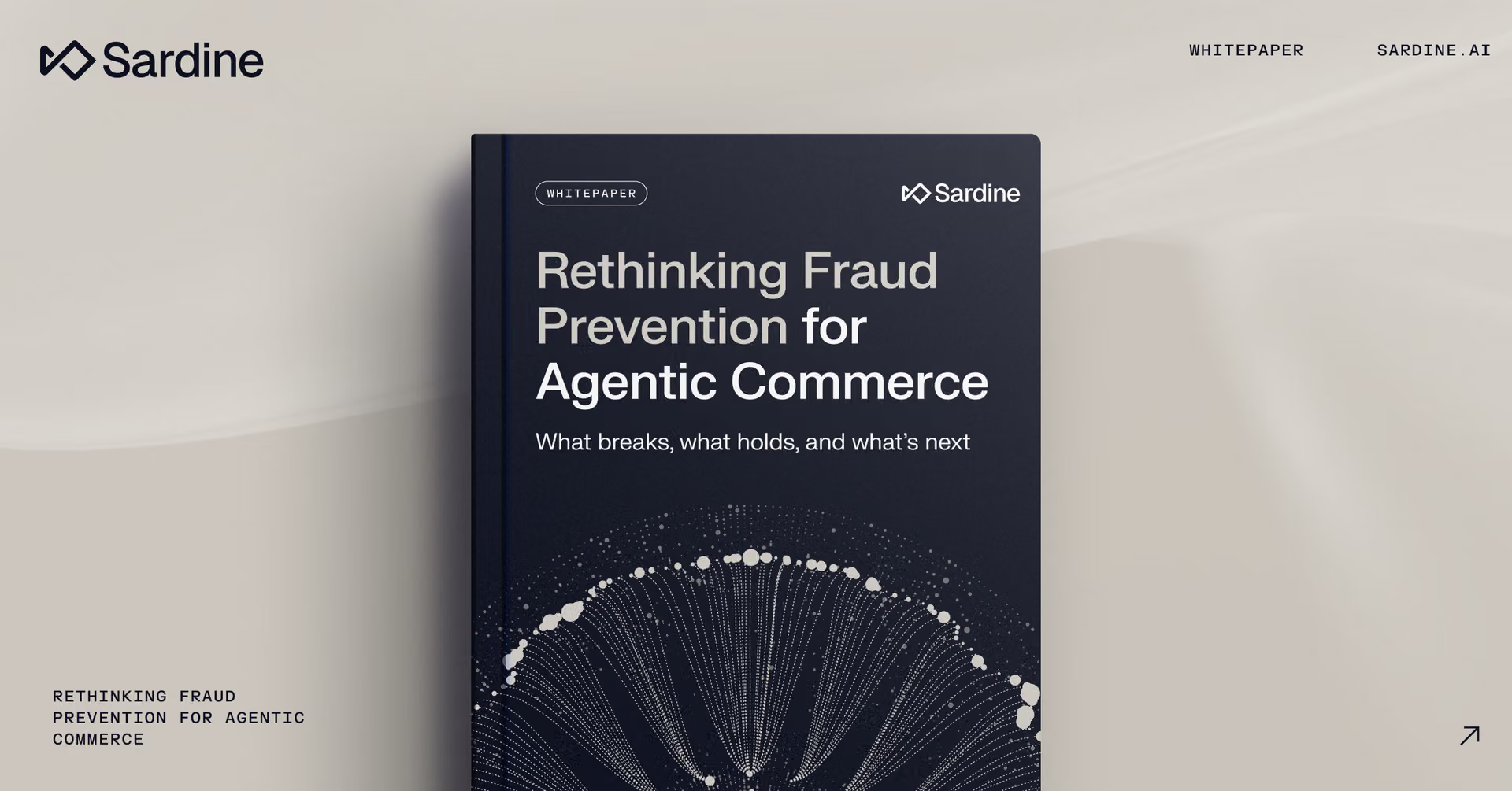
Rethinking Fraud Prevention for Agentic Commerce
Agentic commerce is now on everyone's radar, yet if we're being honest, most fraud strategies aren't prepared for it.