SardineCon SF/2026

Learn More
FRAUDFORWARD
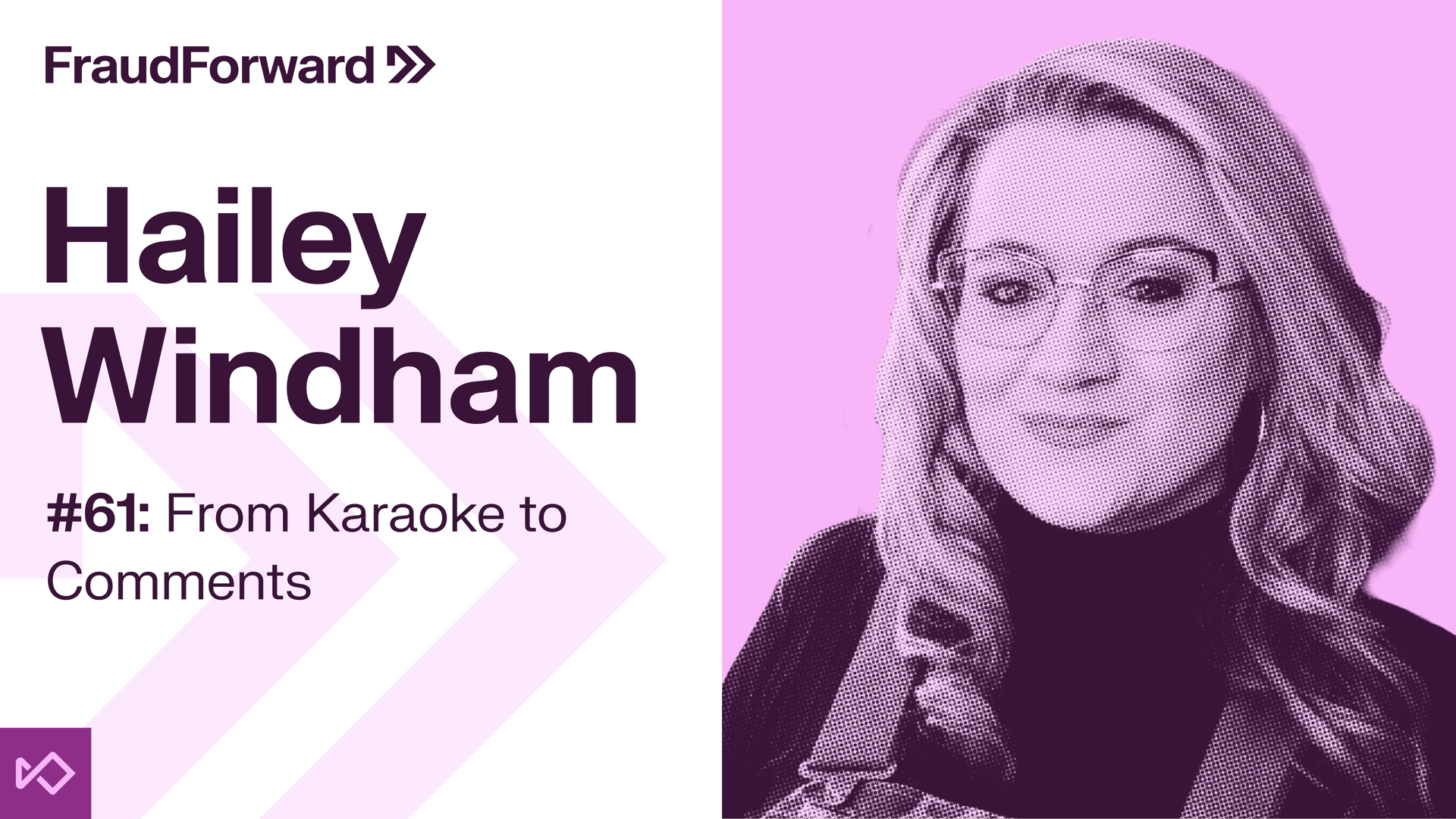
#61

Digital Payment Fraud and the Interagency Call for Industry Input

12 min
Digital Payment Fraud and the Interagency Call for Industry Input

What’s up fraud fighters, and welcome to Fraud Forward!

Fraud Forward is powered by Sardine.

Alright, let’s get into it, because digital payment fraud just hit a regulatory inflection point, and I do not want any bank or credit union leader to sleep on this.

When the CFPB, NCUA, FDIC, OCC, and the Federal Reserve align publicly and issue a joint interagency fraud request for information, that is not routine. That is a signal. It is regulators saying, “Digital payment fraud is moving faster than existing oversight, and we need the industry to tell us what is breaking in the real world.”

And let me just assure you, this is one of those rare moments where financial institutions can shape the next phase of payments fraud regulation instead of just reacting to it later.

Because real-time payments fraud risk is increasing, P2P fraud exposure is growing, reimbursement disputes are escalating, and fraud data sharing barriers are still slowing investigations down. So yes, this is about policy. But it is also about your day-to-day operational reality, your enterprise fraud governance, and financial institution fraud accountability.

Why this matters for fraud fighters

Regulators are looking at digital payment fraud across the entire ecosystem, not just what happens inside a single bank or credit union.

Fraud is expanding across:

  • Peer-to-peer payment applications and P2P fraud exposure pathways
  • Real-time payment rails where detection windows shrink
  • Account onboarding flows where risk is introduced early
  • Cross-border transaction pathways where recovery is harder

As speed increases, response time decreases. That increases operational pressure and raises reputational and regulatory risk. And if your fraud, compliance, and payments teams are not aligned, you end up with gaps that criminals can exploit and regulators will notice.

This is where enterprise fraud governance has to show up. Not as a document. As a working system.

What you’ll hear in this episode

  • What the interagency fraud request for information means for banks and credit unions and why it matters now
  • Key regulatory focus areas in digital payment fraud prevention and payments fraud regulation
  • Where fraud data sharing barriers and industry fraud collaboration friction are slowing real outcomes
  • Gaps in current fraud prevention tools evaluation and consumer fraud education policy efforts
  • How institutions can submit meaningful, strategic policy input through public comment fraud submission

You should listen to this episode if you

  • Oversee fraud, risk, or compliance within a financial institution and want to understand how this could change expectations
  • Manage payment systems or digital channel oversight and are seeing real-time payments fraud risk increase
  • Are preparing for credit union regulatory engagement or bank fraud policy advocacy and want a practical approach to input
  • Want to reduce regulatory gaps in payments and strengthen fraud reporting frameworks before new rules land

If you liked this episode, follow Fraud Forward on Spotify, Apple Podcasts, YouTube, or your preferred platform for executive-level discussions on evolving fraud policy and institutional risk.

Episode notes and key takeaways

Why digital payment fraud is at a regulatory inflection point

Digital payment fraud has officially reached a tipping point.

Regulators have rarely aligned so publicly and directly on fraud risk in digital payment ecosystems. This joint interagency fraud request for information signals that current supervisory frameworks may not adequately address:

  • P2P fraud exposure
  • Real-time payment rails
  • Cross-platform fraud dynamics
  • Shared responsibility across the ecosystem

Institutions now have a defined opportunity to shape the policy environment rather than react to it.

How fraud Is changing across payment channels

Let me just assure you, the fraud is not only happening in one channel, it is moving across channels by design.

Fraud exposure is expanding across:

  • Peer-to-peer payment applications
  • Real-time payments rails
  • Account onboarding flows
  • Cross-border transaction pathways

As transaction speeds increase, detection windows shrink. That compresses operational response times and increases the pressure on fraud teams, payments teams, and compliance teams to make decisions with partial visibility.

What regulators are asking

This is not a surface-level request. Agencies are asking for operational truth.

They are seeking input on:

  • Effectiveness of existing fraud prevention tools and fraud prevention tools evaluation gaps
  • Data-sharing limitations between institutions and fraud data sharing barriers
  • Industry collaboration barriers and what blocks industry fraud collaboration
  • Consumer education strategies and consumer fraud education policy effectiveness
  • Potential regulatory gaps in payments and where the oversight is unclear

They are also implicitly evaluating whether supervisory approaches need structural changes, not just minor tweaks.

What financial institutions are experiencing

Here is the reality institutions are living with right now:

  • Increased reimbursement disputes that escalate fast
  • Ambiguity in liability expectations, especially for P2P fraud exposure
  • Technology investment pressure without clear policy direction
  • Fragmented fraud intelligence sharing that slows investigations
  • Resource strain in community banks and credit unions that are running lean

And I want to call this out directly. Credit union regulatory engagement matters here because community realities have to be represented, not overshadowed by large-bank infrastructure.

Where fraud programs are most exposed

Common exposure points keep showing up across institutions:

  • Limited visibility into cross-platform fraud activity
  • Inconsistent reporting standards and uneven fraud reporting frameworks
  • Inadequate consumer education efforts and weak consumer fraud education policy outcomes
  • Gaps between fraud, compliance, and payments teams that create slow escalation and unclear ownership

If you want to reduce financial institution fraud accountability risk, this is where enterprise fraud governance has to tighten, with clear ownership, clear escalation, and shared visibility.

How institutions can submit meaningful, strategic policy input

Now let’s talk action, because public comment fraud submission is not about complaining. It is about shaping sustainable payments fraud regulation.

Here is how to show up smart:

  • Read the interagency fraud request for information end to end
  • Pull fraud, payments, BSA, and compliance into one working group, not separate feedback chains
  • Identify where digital payment fraud is stretching your systems and creating friction
  • Quantify what you can, case volume trends, dispute workload, time-to-resolution, staffing constraints
  • Document where fraud data sharing barriers slow investigations and what would help
  • Be specific about regulatory gaps in payments and where liability ambiguity creates risk
  • Propose realistic expectations that support cross-industry coordination and customer protection

Institutions that engage early and clearly influence how future expectations are written. That is bank fraud policy advocacy and credit union regulatory engagement in a way that actually moves the needle.

The bigger picture

Digital payment fraud is not only a technology problem. It is a governance problem, a data-sharing problem, and a collaboration problem.

But it is also an opportunity:

  • An opportunity to modernize fraud prevention tools evaluation and close gaps
  • An opportunity to strengthen industry fraud collaboration and public-private coordination
  • An opportunity to improve fraud reporting frameworks and reduce friction
  • An opportunity to build smarter enterprise fraud governance that matches how fraud actually operates

This moment is about accountability, yes. But it is also about alignment. And alignment is where real progress happens.

The evolution of Banking on Fraudology

The mission stays the same:

  • Elevate fraud prevention education.
  • Strengthen banking community leadership.
  • Support real operators inside community banks and credit unions.
  • Build durable fraud community building frameworks.
  • Advance fraud prevention thought leadership that is grounded, not hyped.

The future of banking fraud prevention depends on community.

The future of credit union fraud prevention depends on collaboration.

The future of fraud industry evolution depends on shared intelligence and values alignment.

We are leveling up.

And we are doing it together.

Stay vigilant, stay informed, and keep moving fraud forward.
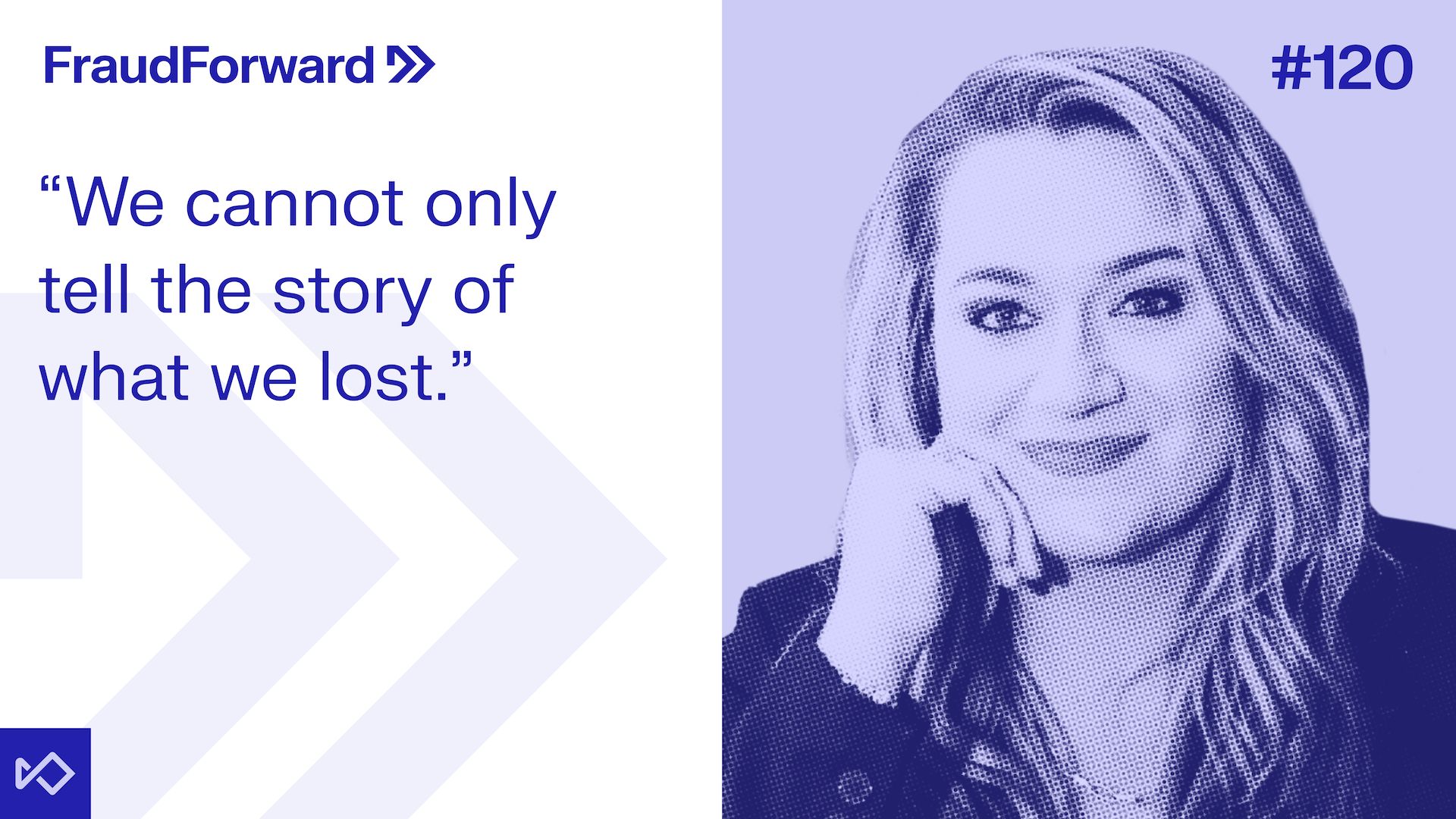
Host
A blonde woman in a black blazer smiles slightly against a purple background.
Hailey Windham
Fraud Forward, Sardine