

#12128 min
What’s up fraud fighters, and welcome to Fraud Forward!
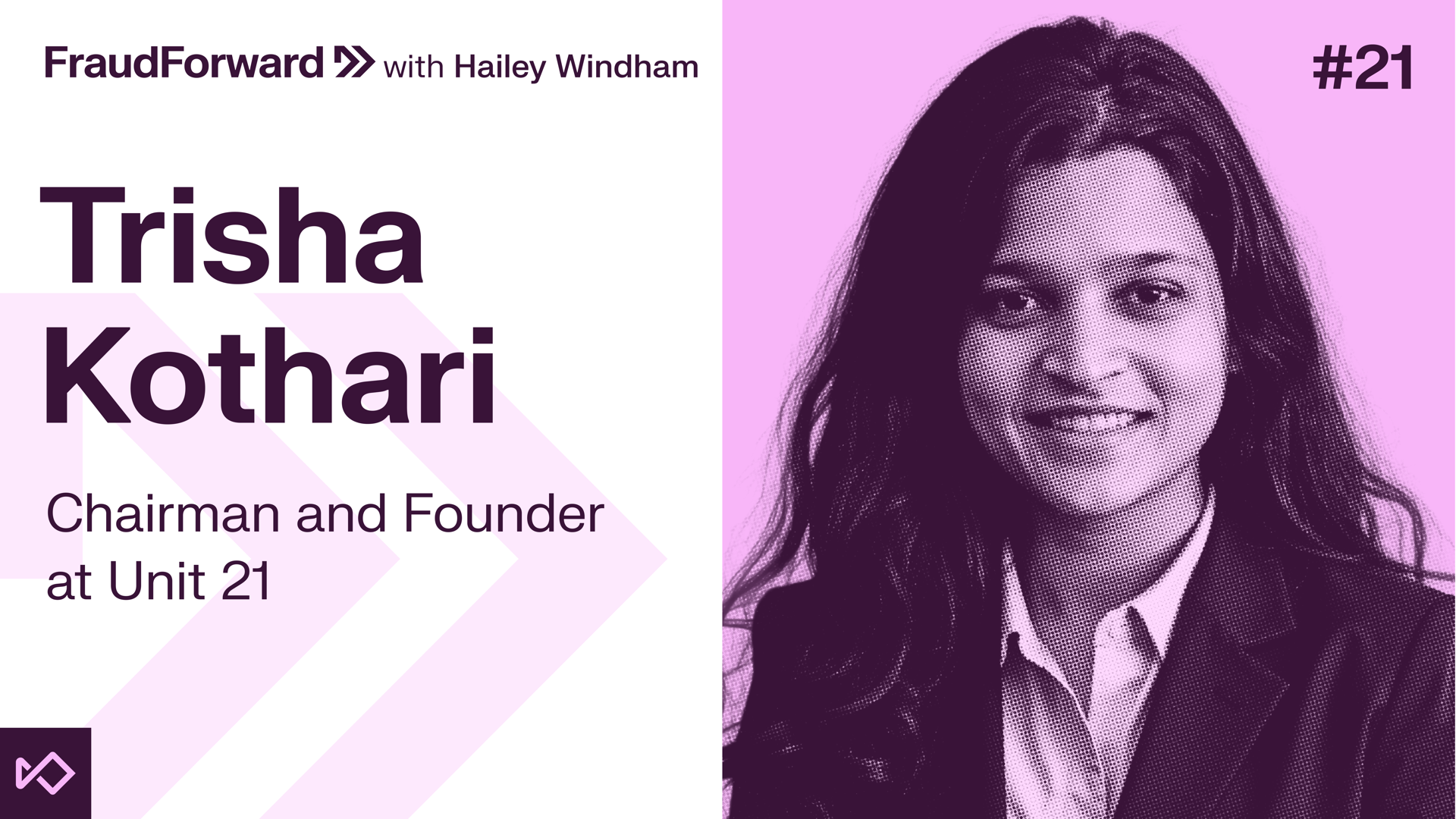
In this episode, I am sitting down with Trisha Kothari, and we are talking about vulnerable scam groups, specifically teenagers and elderly customers who are being targeted by sophisticated social engineering and sextortion schemes at a pace that should make every institution pause. Because as digital exposure expands, the harm is not just financial. It is emotional. It is reputational. It is long-term trust.
Let’s reset the room for a moment. vulnerable scam groups are not getting targeted because they are careless. They are getting targeted because transnational criminal organizations understand human psychology, fear, urgency, and isolation. And when we respond without empathy, we push people further into silence. That is why under-reporting of scams is such a big problem, and that is why fraud stigma reduction has to be part of the operational strategy, not just a nice statement.
Trisha and I get into the practical side of what institutions can do right now, and it starts with workflow discipline. We talk about an AI fraud prevention agent, and how AI fraud prevention agents can support no-code fraud checklists, fraud checklist automation, and automated fraud case summaries that make investigations faster without stripping away human judgment.
I want to double click on business-specific fraud workflows, because every institution has different risk points. The power of no-code fraud checklists is that teams can build structured steps aligned with internal risk and compliance infrastructure without waiting for heavy engineering lifts. That creates consistency. It reduces gaps. It supports fraud operations automation that helps teams move faster when the volume is crushing.
We also talk directly about teen sextortion scams and elder financial exploitation, and how those cases demand clarity and compassion. Social engineering targeting minors and older adults thrives in secrecy. That is why scam escalation protocols matter. People need to know what to do. Teams need to know how to respond. And institutions need customer lifecycle risk controls that can detect risk signals earlier and support protecting at-risk customers before harm escalates.
Trisha also shares how AI case management support and real-time fraud summaries can improve case handling. When scam detection technology is paired with structured documentation and checklist execution, you build multi-layer scam prevention that enhances decisioning instead of replacing it.
If you lead fraud, compliance, or technology strategy, this episode is your blueprint for using operational discipline and AI safeguards to protect the people most at risk.
If you liked this episode, be sure to subscribe and review the podcast on iTunes, Spotify, YouTube, or wherever you listen to podcasts. It really helps with getting the word out.
Let me just assure you, technology can reduce friction without replacing people.
AI fraud prevention agents can help standardize execution and generate automated fraud case summaries that keep cases moving with consistency. When you pair that with no-code fraud checklists, you give teams a way to build business-specific fraud workflows without waiting for months of engineering backlog.
Here is what fraud operations automation can improve:
When designed correctly, AI case management support strengthens decision-making rather than replacing human expertise.
Now let’s talk about the cases that keep me up at night.
Teen sextortion scams and elder financial exploitation are not just fraud events, they are coercion events. Social engineering targeting minors and emotionally vulnerable adults thrives on fear, urgency, and isolation.
Protecting at-risk customers requires:
And we cannot ignore under-reporting of scams. People stay silent because of shame and fear. Fraud stigma reduction is operationally important because earlier disclosure means earlier intervention and less harm.
100 percent, AI has to align with empathy and governance.
Customer lifecycle risk controls improve when AI case management support is built to align with risk and compliance infrastructure. Multi-layer scam prevention works best when detection, documentation, and escalation are connected in a cohesive workflow.
Here is what I want leaders to prioritize:
AI safeguards are most effective when paired with strong governance, human judgment, and a real commitment to protecting at-risk customers.
The mission stays the same:
The future of banking fraud prevention depends on community.
The future of credit union fraud prevention depends on collaboration.
The future of fraud industry evolution depends on shared intelligence and values alignment.
We are leveling up.
And we are doing it together.
Stay vigilant, stay informed, and keep moving fraud forward.