Back

Head of Fraud Strategy
As Head of Fraud Strategy at Sardine, Chen Zamir brings over 16 years of hands-on experience in fraud, risk, and fintech; translating deep practitioner insight into clear, differentiated narratives for fraud leaders across fintech and eCommerce. A former founder and long-time operator, he has spent his career building and scaling AI-powered risk systems, guiding organizations through complex product, data, and engineering challenges, and aligning cross-functional teams around strategies that actually work in the real world. At Sardine, he helps shape the fraud prevention story, guides product direction to ensure it reflects true market needs, and represents the company’s expertise through thought leadership, industry events, and strategic partnerships.
Before joining Sardine, Chen founded Native[risk], where he advised leading fintechs and fraud prevention companies on strategy, AI-driven risk systems, and organizational scaling. He also writes The Saturday Fraud Strategist, a widely read weekly newsletter that distills complex fraud, fintech, and risk topics into clear, actionable insights for practitioners. Previously, as Co-Founder and CTO of Fraugster, Chen led engineering, data, and product teams while steering the company through major product launches, fundraising, and commercial growth.
Articles by Chen Zamir
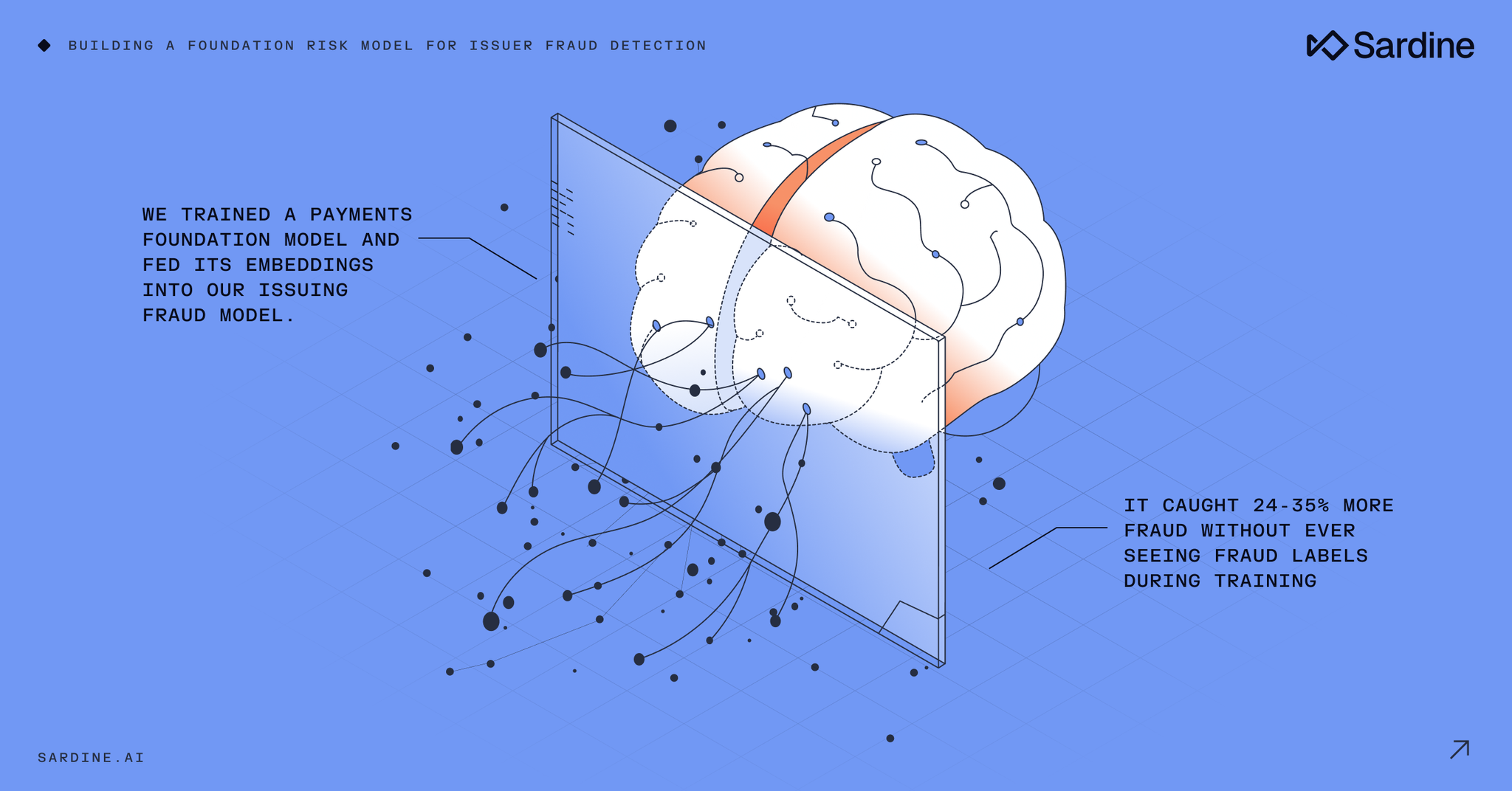
We trained a foundation model on spending and it caught 35% more fraud
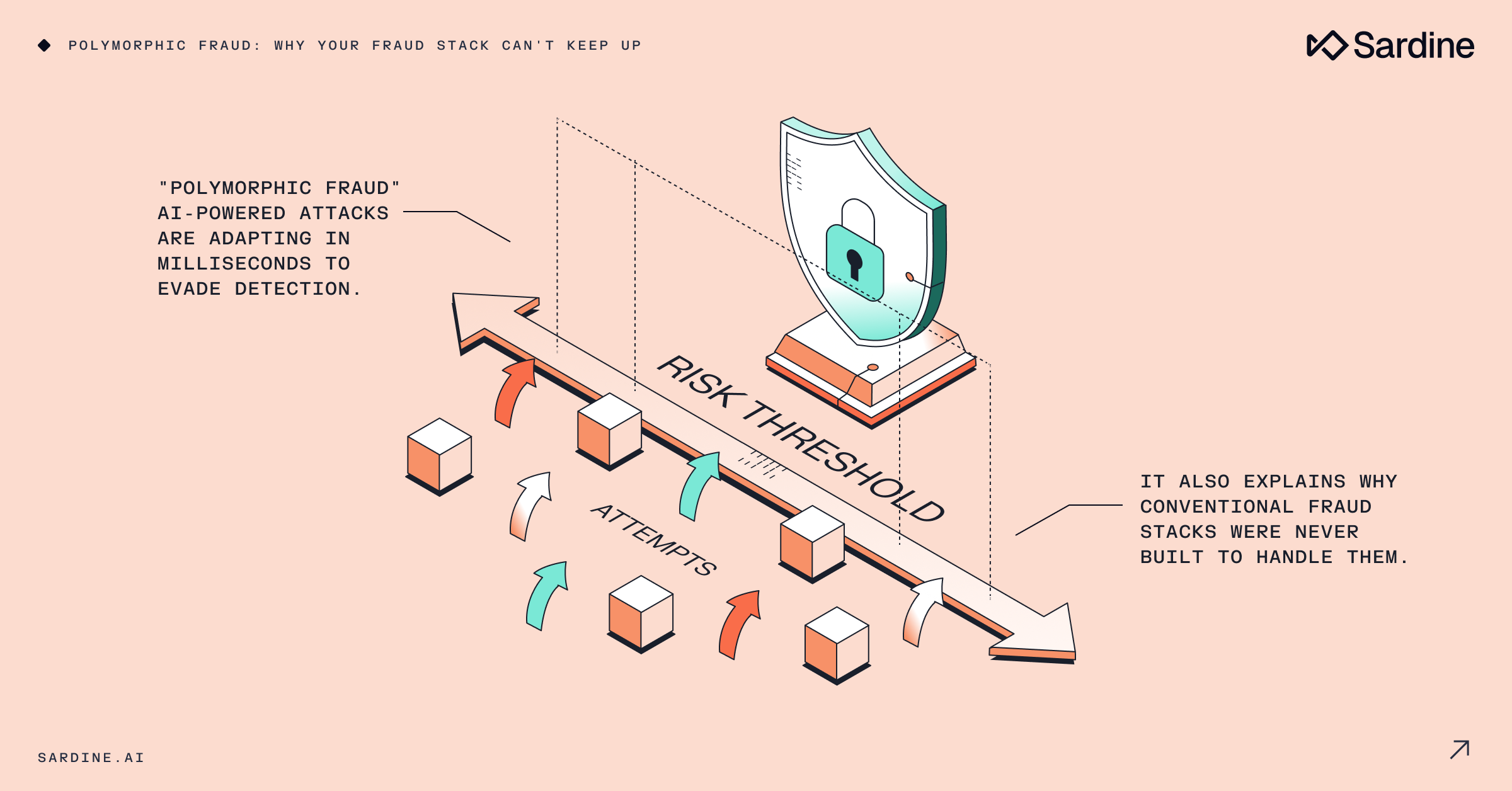
How polymorphic fraud attacks treat your defenses as data
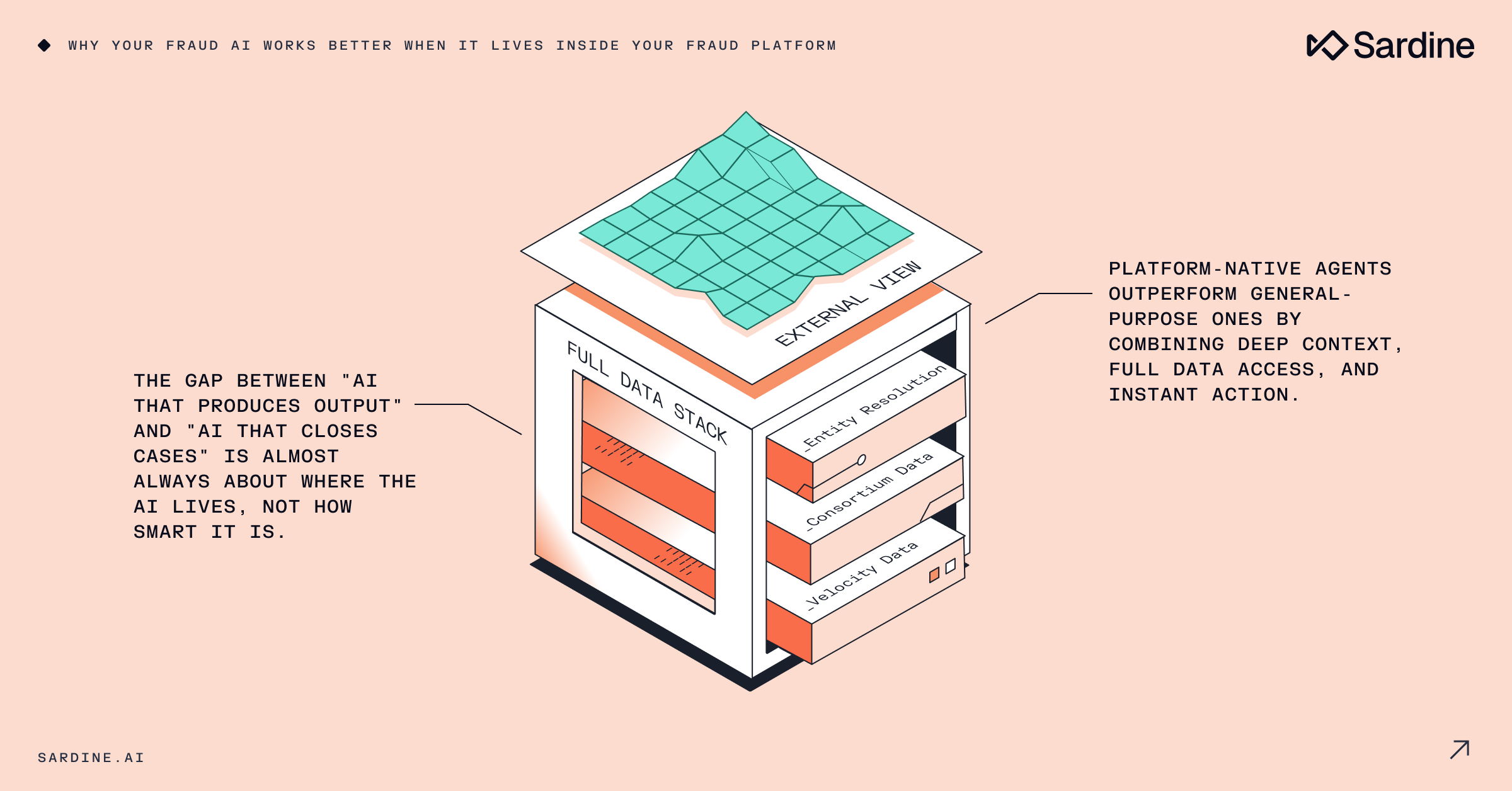
Why your fraud AI works better when it lives inside your fraud platform
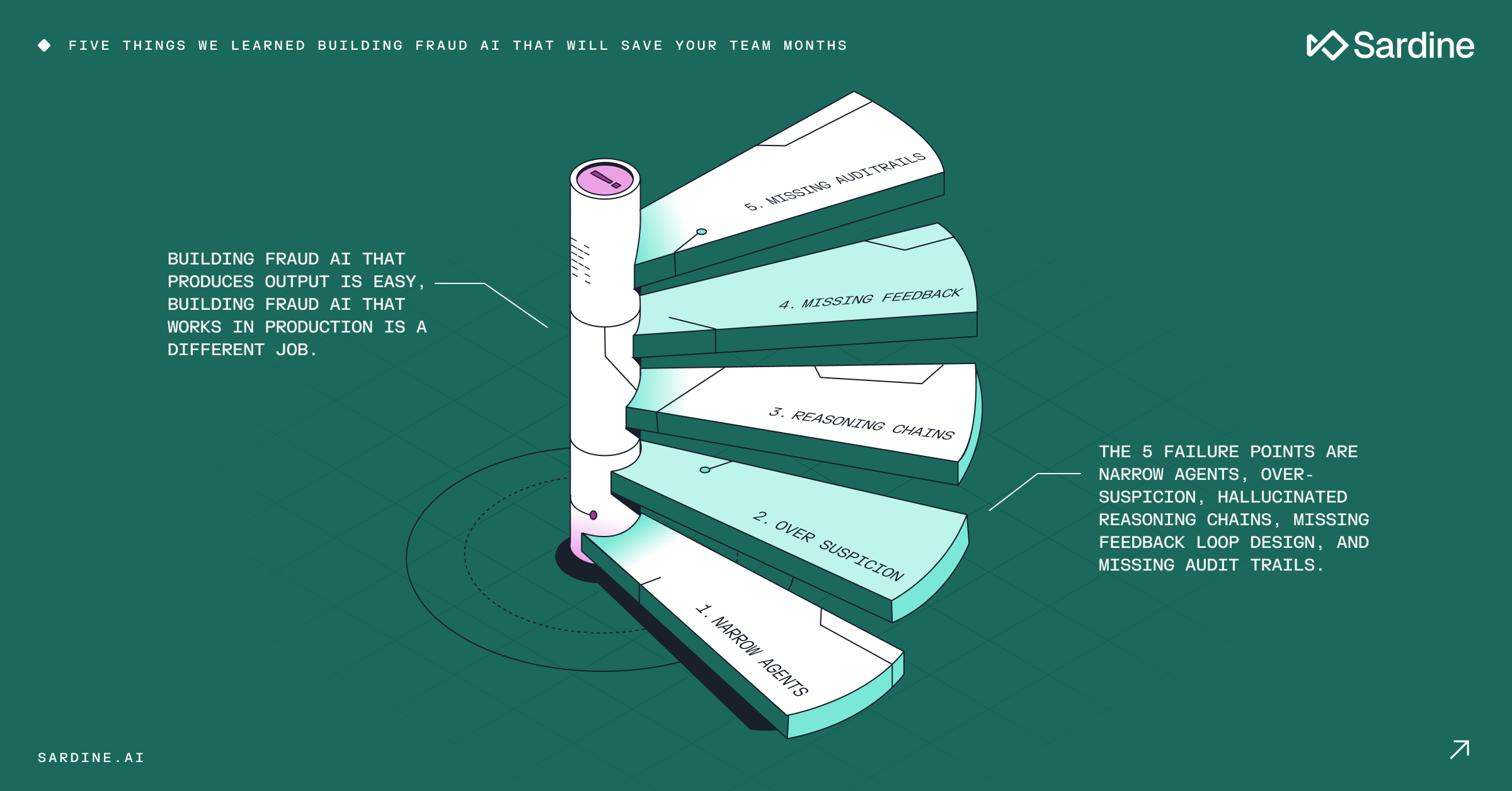
Five things we learned building fraud AI that will save your team months
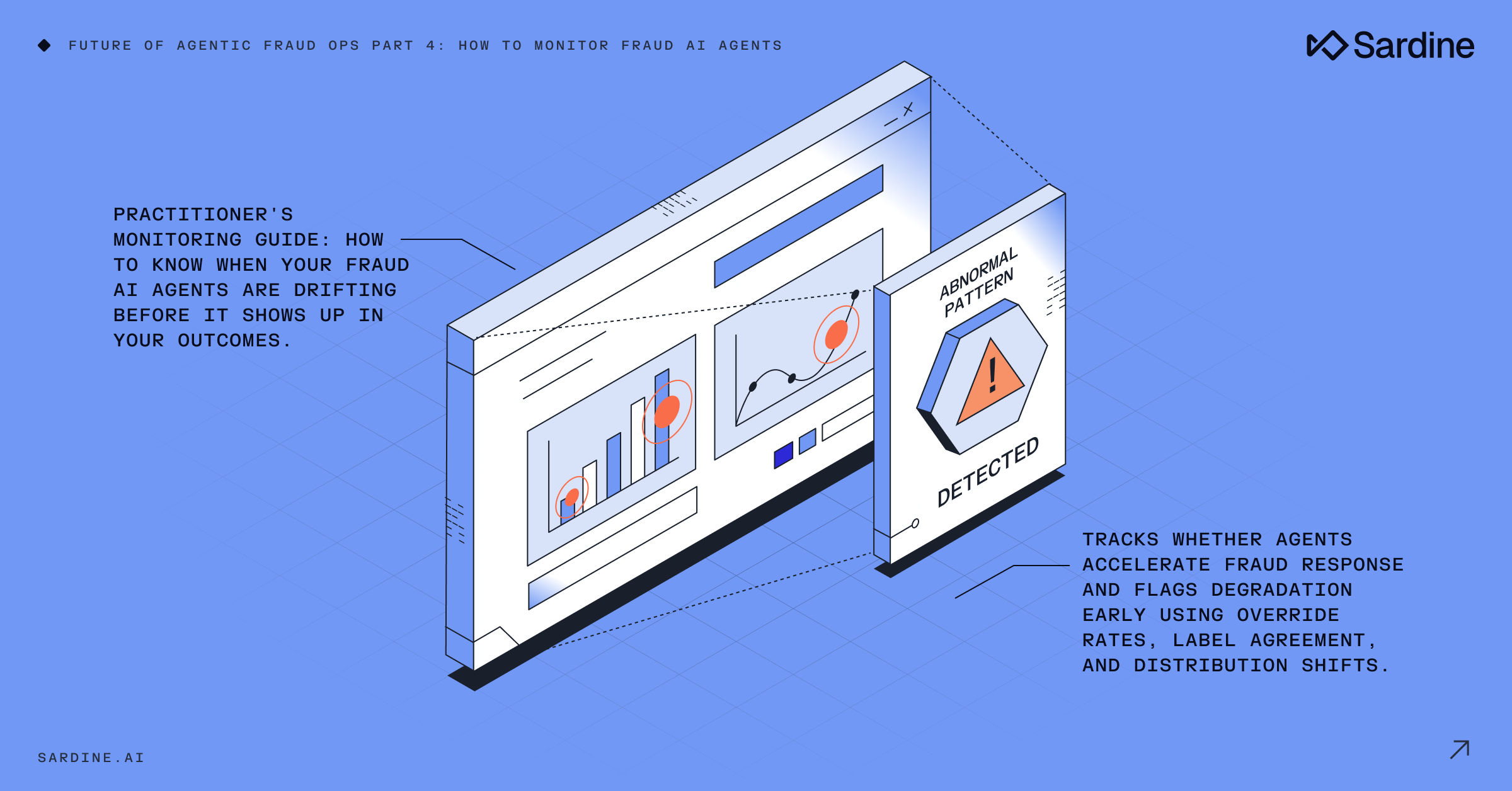
The future of Agentic Fraud Ops: How to monitor fraud AI agents before they drift
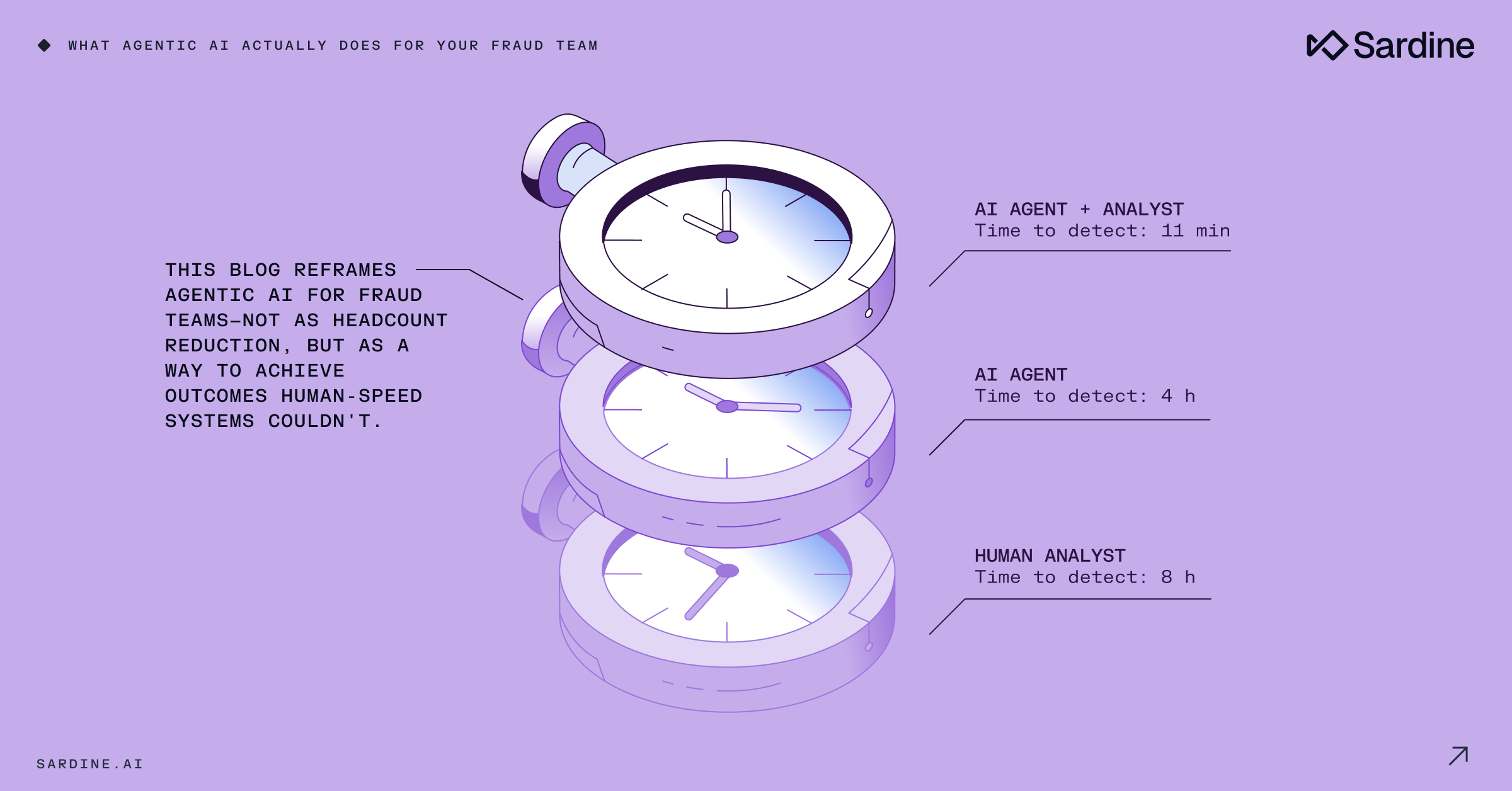
Agentic AI’s ROI and what it actually does for your fraud team
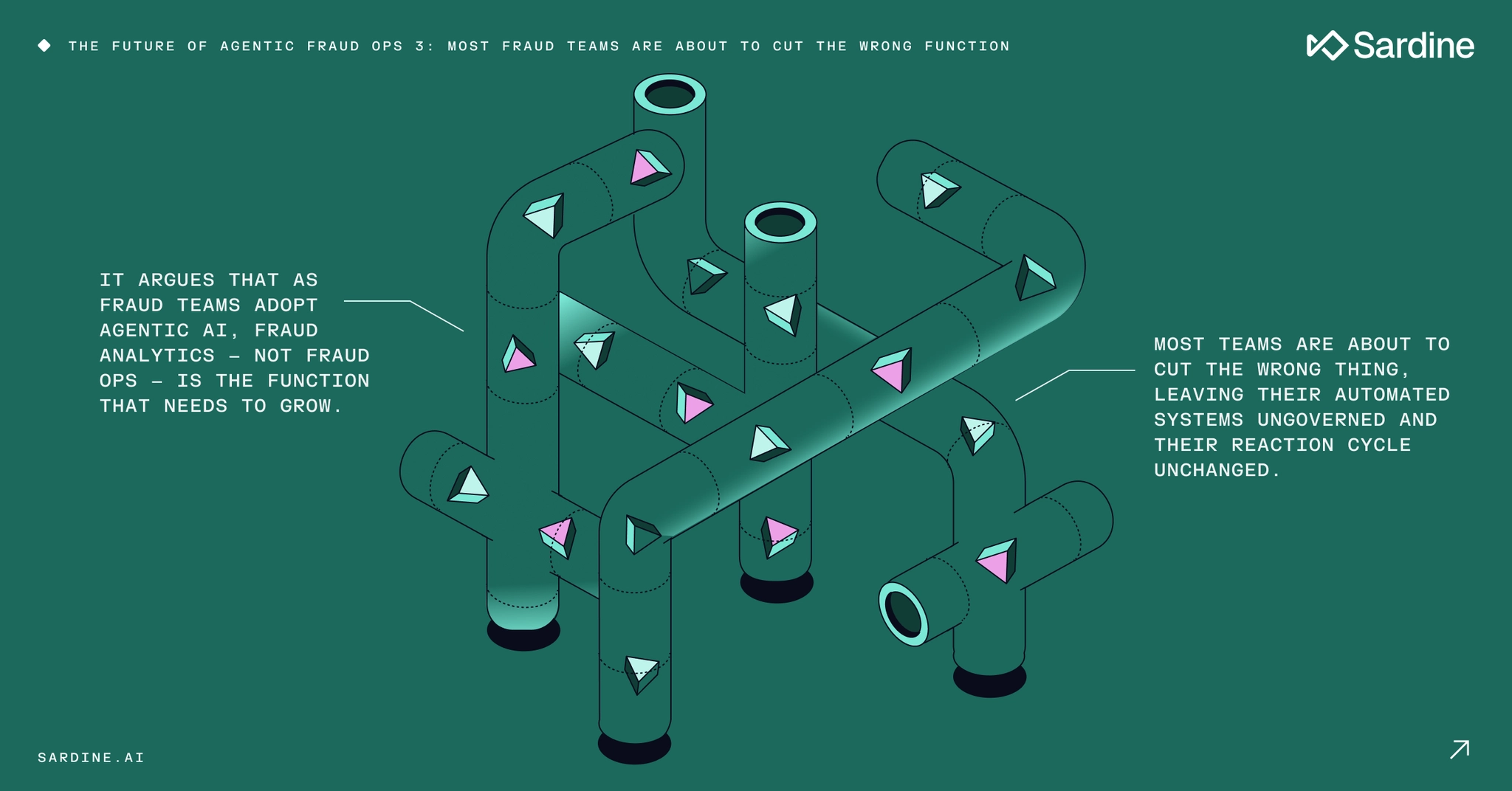
The future of Agentic Fraud Ops: Most fraud teams are about to cut the wrong function
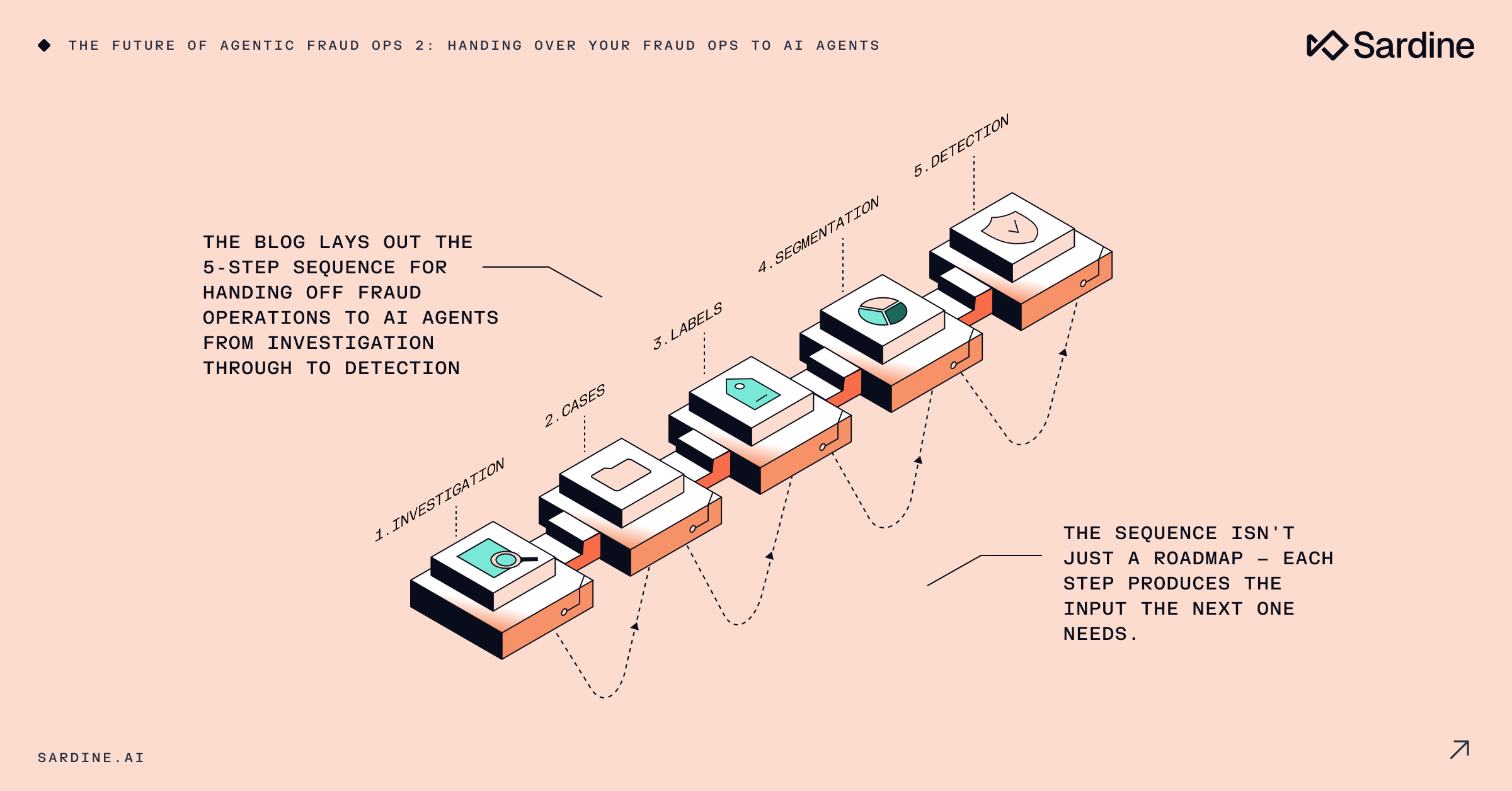
The future of Agentic Fraud Ops: Handing over your operations to AI agents
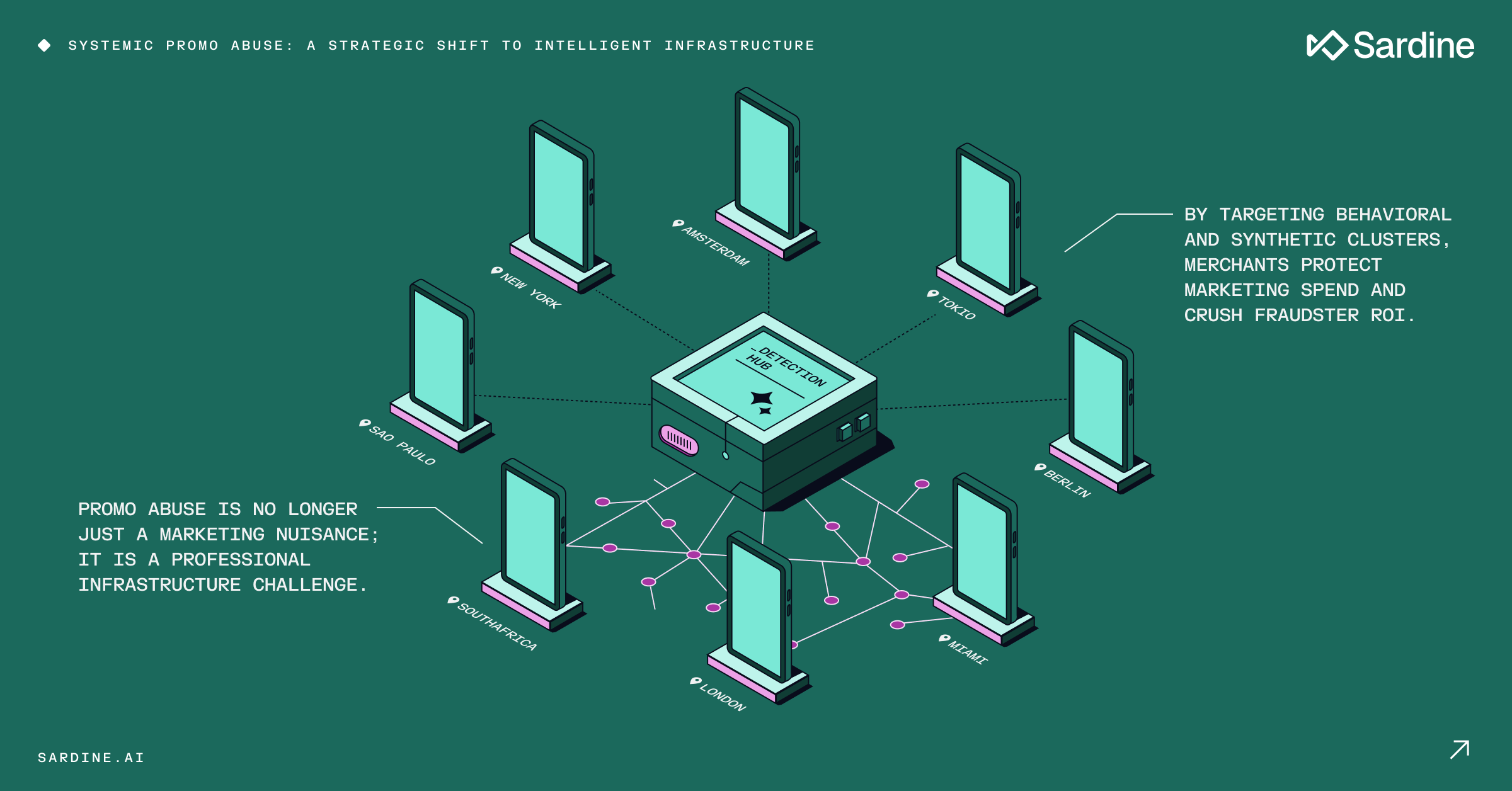
Systemic promo abuse: A strategic shift to intelligent infrastructure

The future of Agentic Fraud Ops: Your fraud team is running at the wrong speed
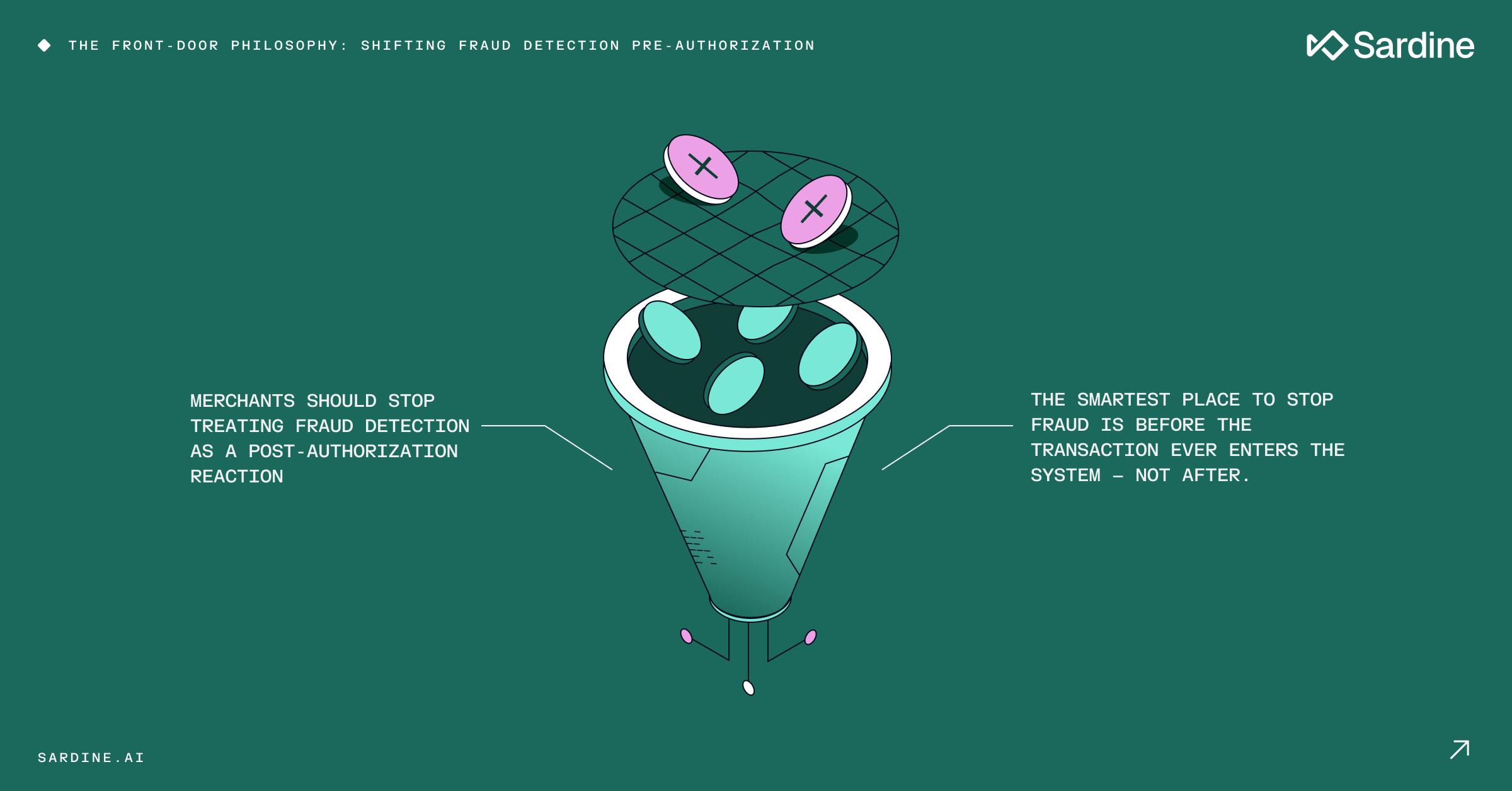
The front-door philosophy: Shifting e-commerce fraud prevention to pre-authorization
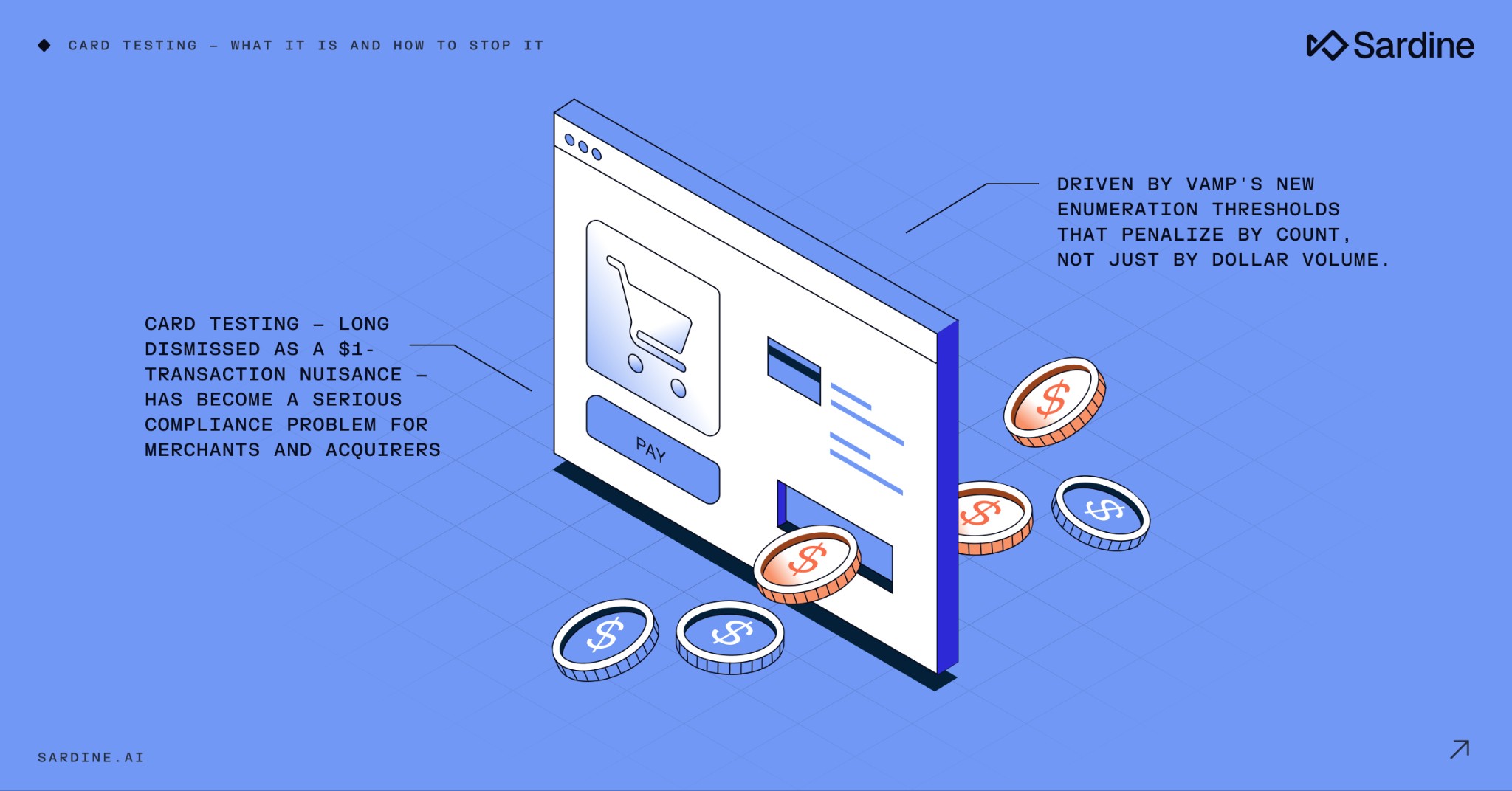
Why card testing is now a board-level problem
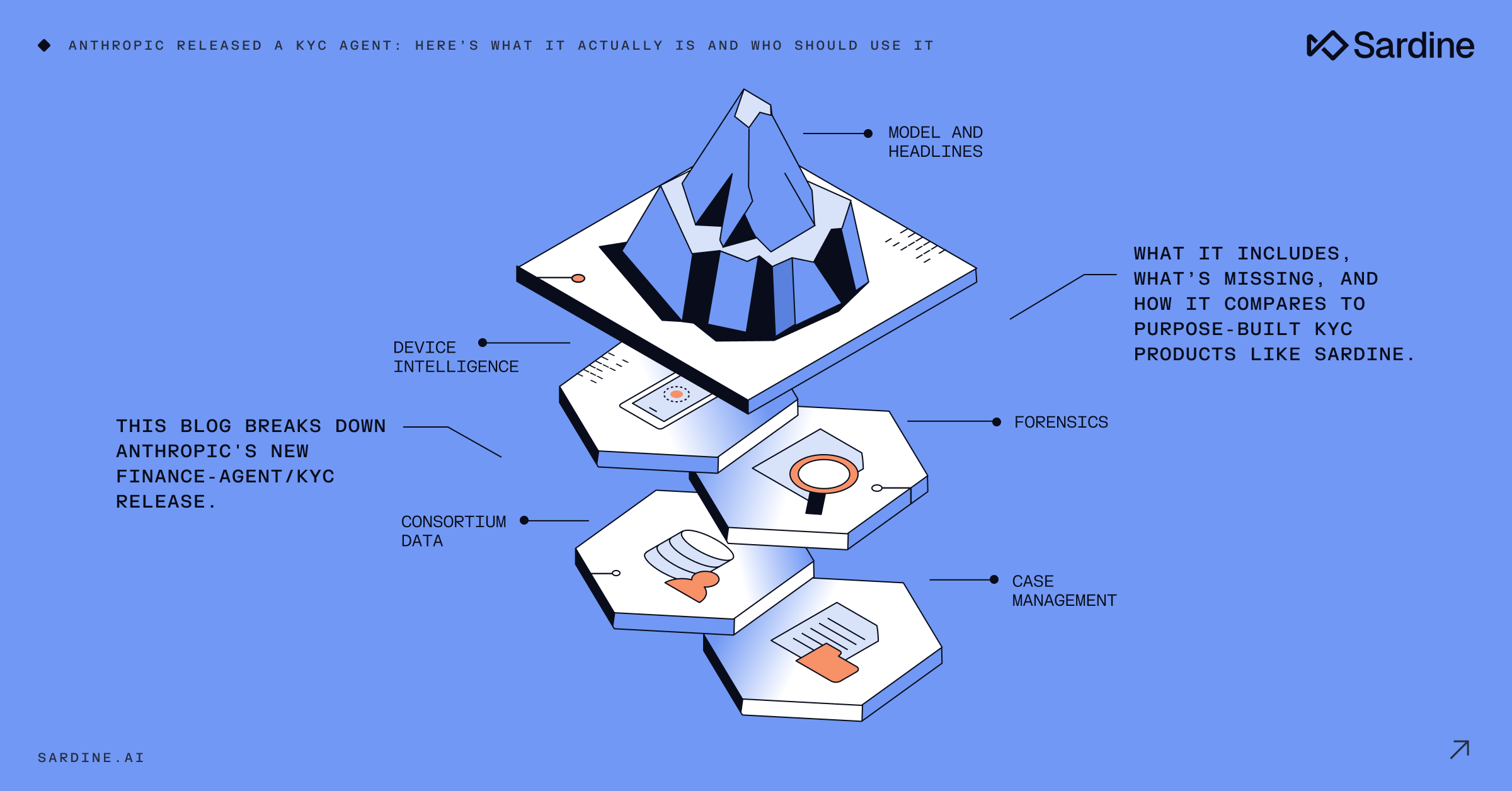
Anthropic released a KYC agent: Here’s what it actually is, and who should use it
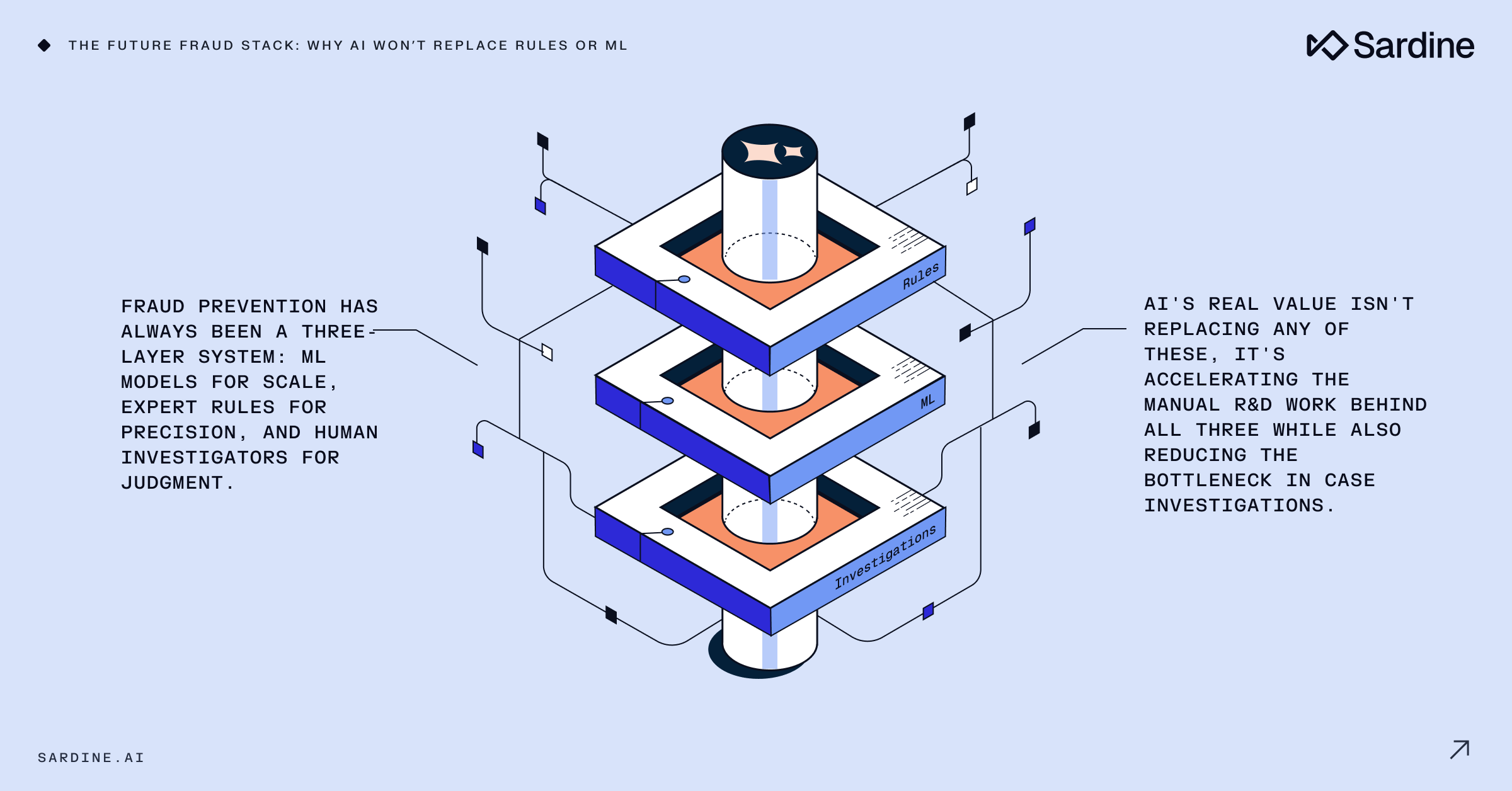
The Future Fraud Stack: Why AI Won't Replace Rules or ML
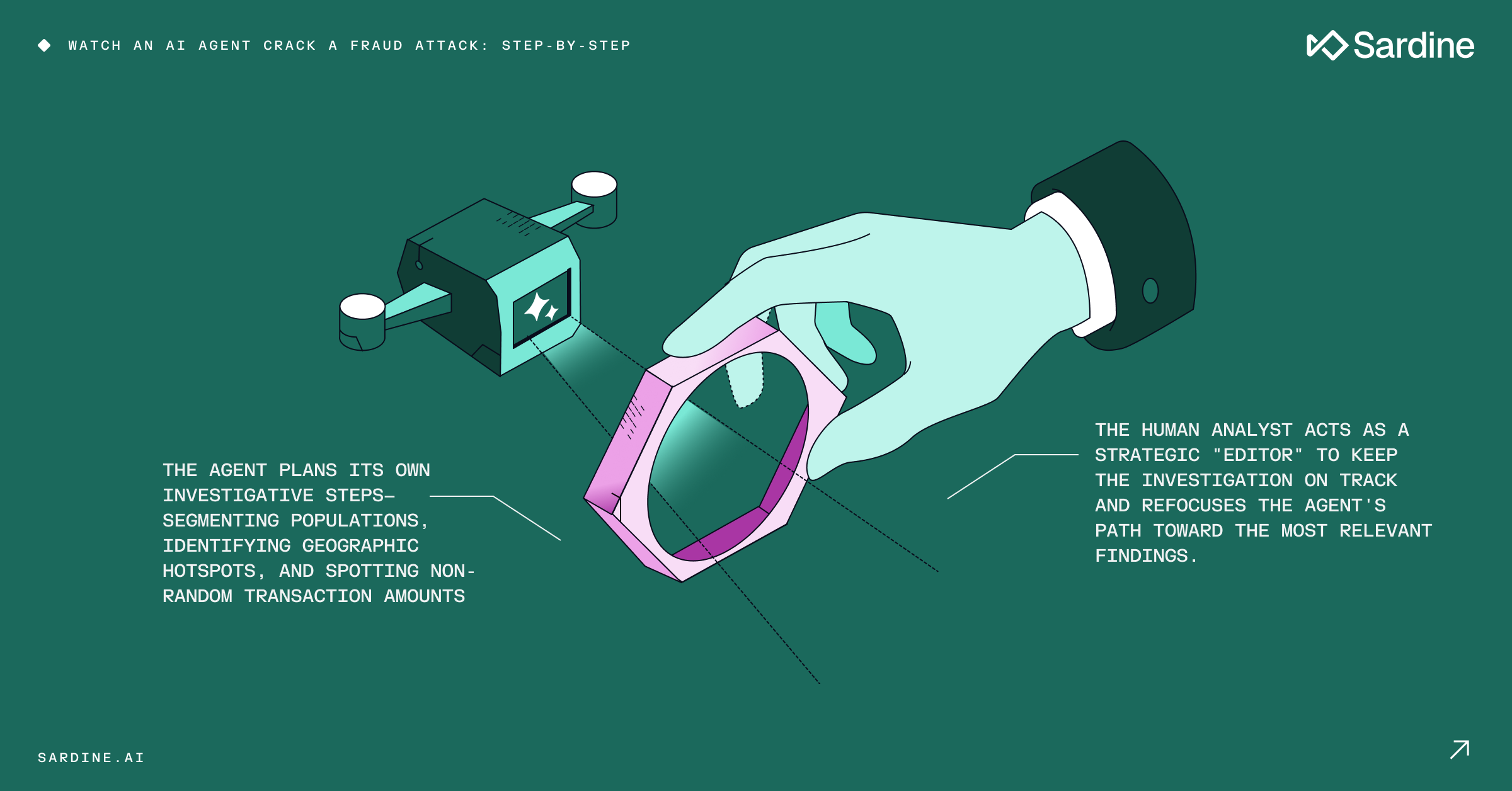
Agentic AI fraud investigation: A step-by-step guide
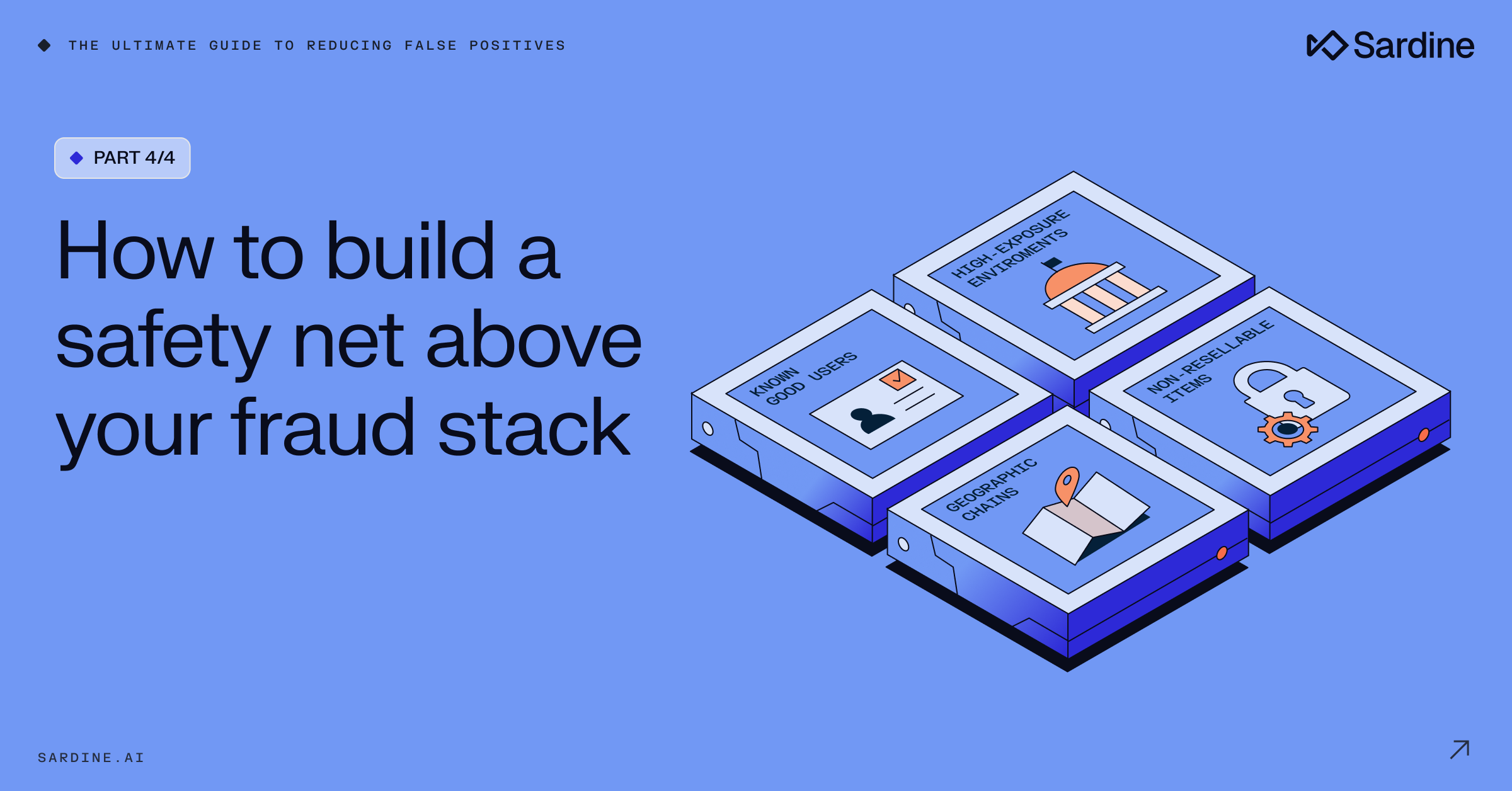
Reducing false positives at the system-level
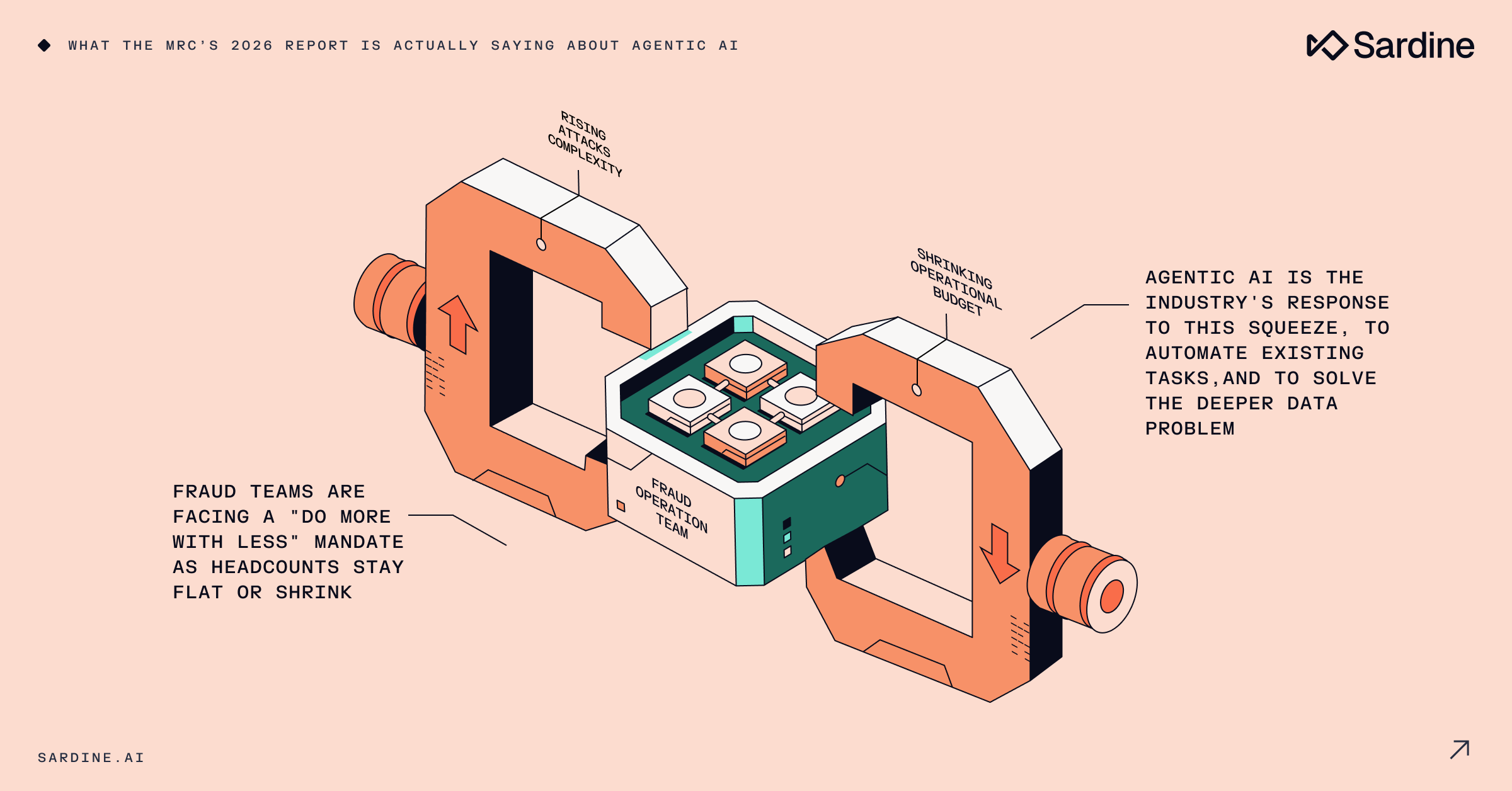
What the MRC’s 2026 report is actually saying about Agentic AI

Fixing fraud controls: How to reduce false positives inside your system
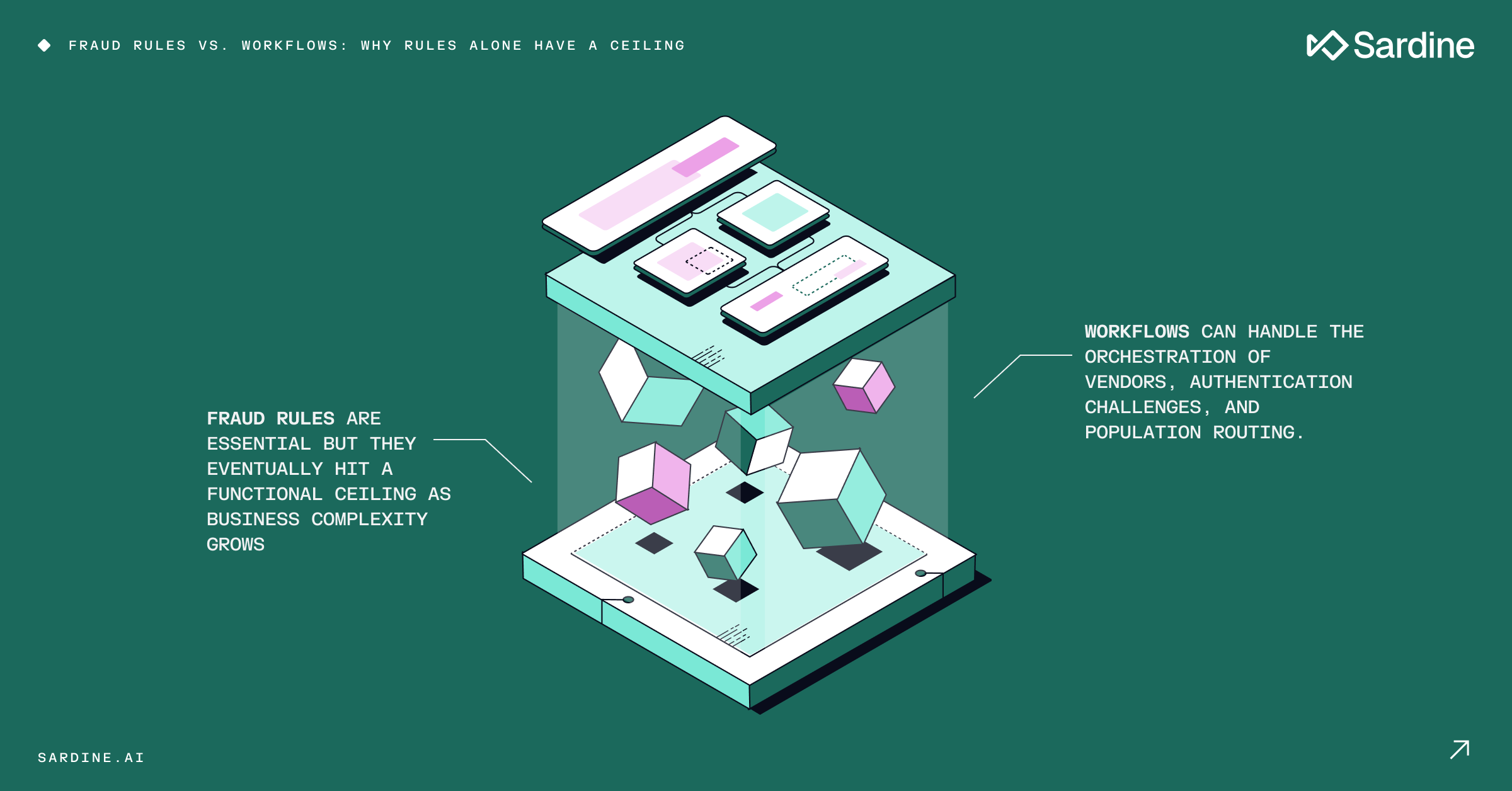
Fraud rules vs. workflows: Why rules alone have a ceiling

The anatomy of false positives: Turning data into intelligence
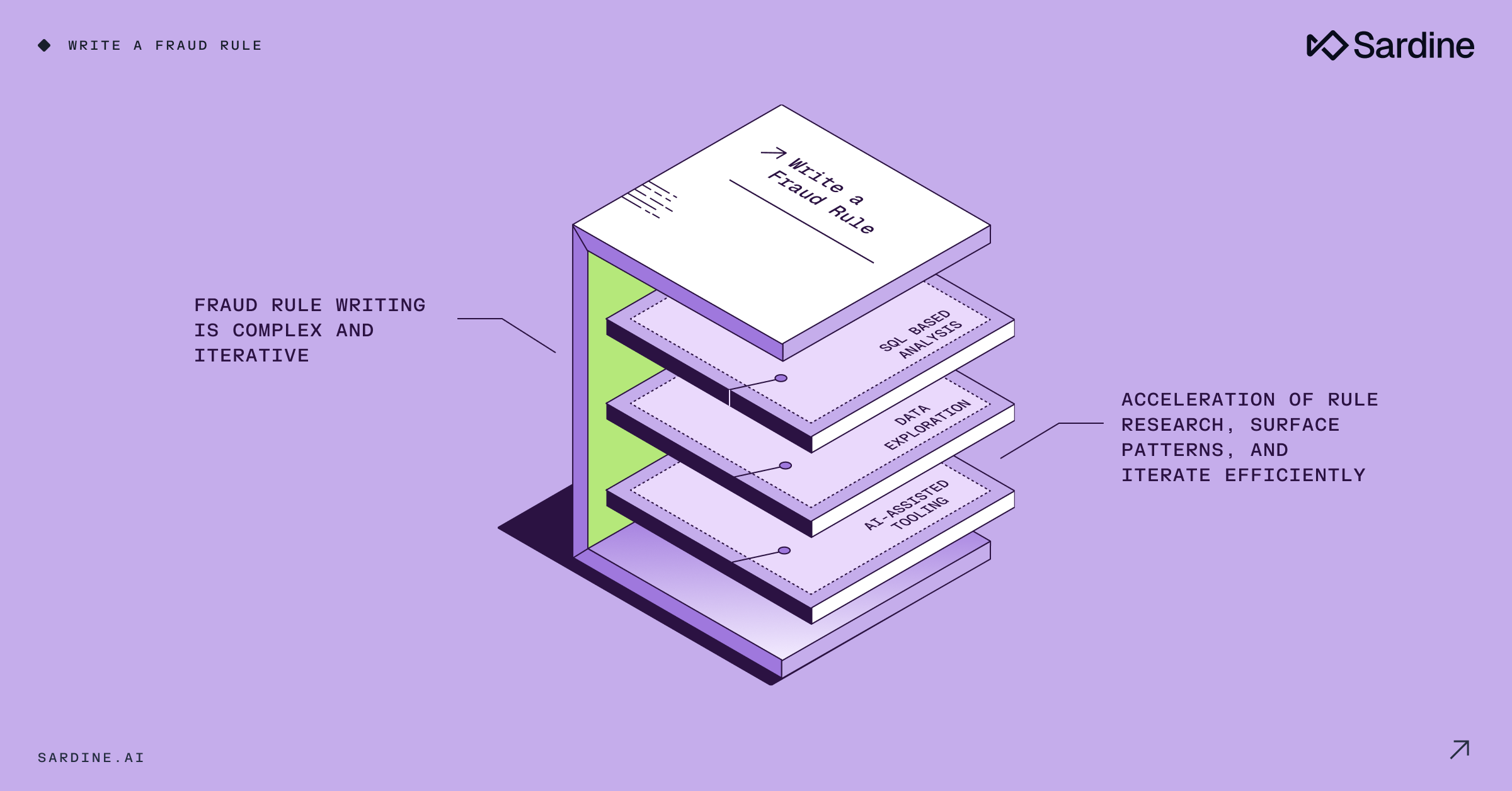
Write a high-performing fraud rule with me: A real-world example
How to measure false positives in fraud systems that hide them
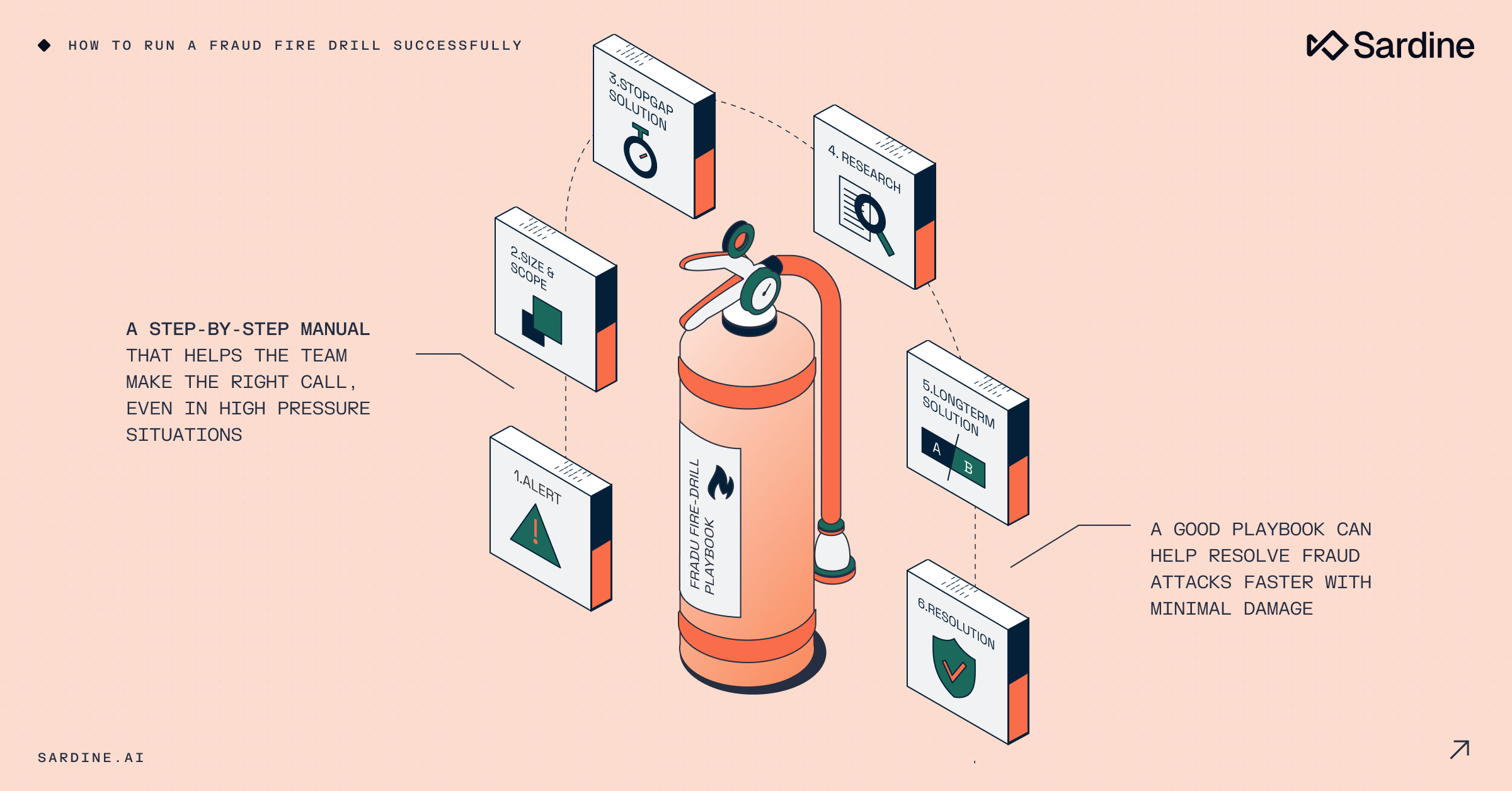
How to build a fraud incident response fire drill playbook that actually works

5 AI use cases your fraud team should be using right now

How to release fraud rules safely
The Saturday Fraud Strategist episodes

Inside Bolt: Fighting Fraud in the Gray Zone
Are You Using These 3 Fraud Rule Types?
Scaling Agentic AI: Lessons From the Field
Is It 1st Party Fraud or 3rd Party Fraud?
Who is the Saturday Fraud Strategist, with Hailey Windham
The Rise of Agentic Ops, part 4: How to Monitor AI Agents
The AI Adoption Journey for Fraud & Risk Teams
The Rise of Agentic Fraud Ops, part 3: Scaling Fraud Analytics
What’s New in Merchant Fraud, with Dajana G.
The Rise of Agentic Fraud Ops, part 2: 5 Steps for Adopting AI Agents in Fraud Ops
How to Beat Undetectable AI-Powered Fraud, with David Liu
The Rise of Agentic Fraud Ops, part 1: Your Fraud Team is Running at the Wrong Speed
When a Data Exec Walks Into a Fraud Team, with Shachar Meir
False Positives Masterclass, part 4: Building a Safety Net Over Your Fraud Stack

How to Pick the Right Fraud Vendor For You, with Holly Sandberg

False Positives Masterclass, part 3: How to Reduce FPs Inside Your System
What AdTech Taught Me About Financial Fraud, with Gilit Saporta

False Positives Masterclass, part 2: How to Identify Where FPs Originate From
Why PSPs Are Getting Fraud Services Wrong
Should Fraud and Cybersecurity Teams Converge?

False Positives Masterclass, part 1: How to Measure FPs in Systems that Hide Them
I Used to Stalk People on Facebook

Dark Web Services Bypass KYC Checks for $150
Real-Time Fraud Prevention: Zero to Hero with Matt Vega

Why Leaders Choose Worse Fraud Tools

Why I Joined Sardine
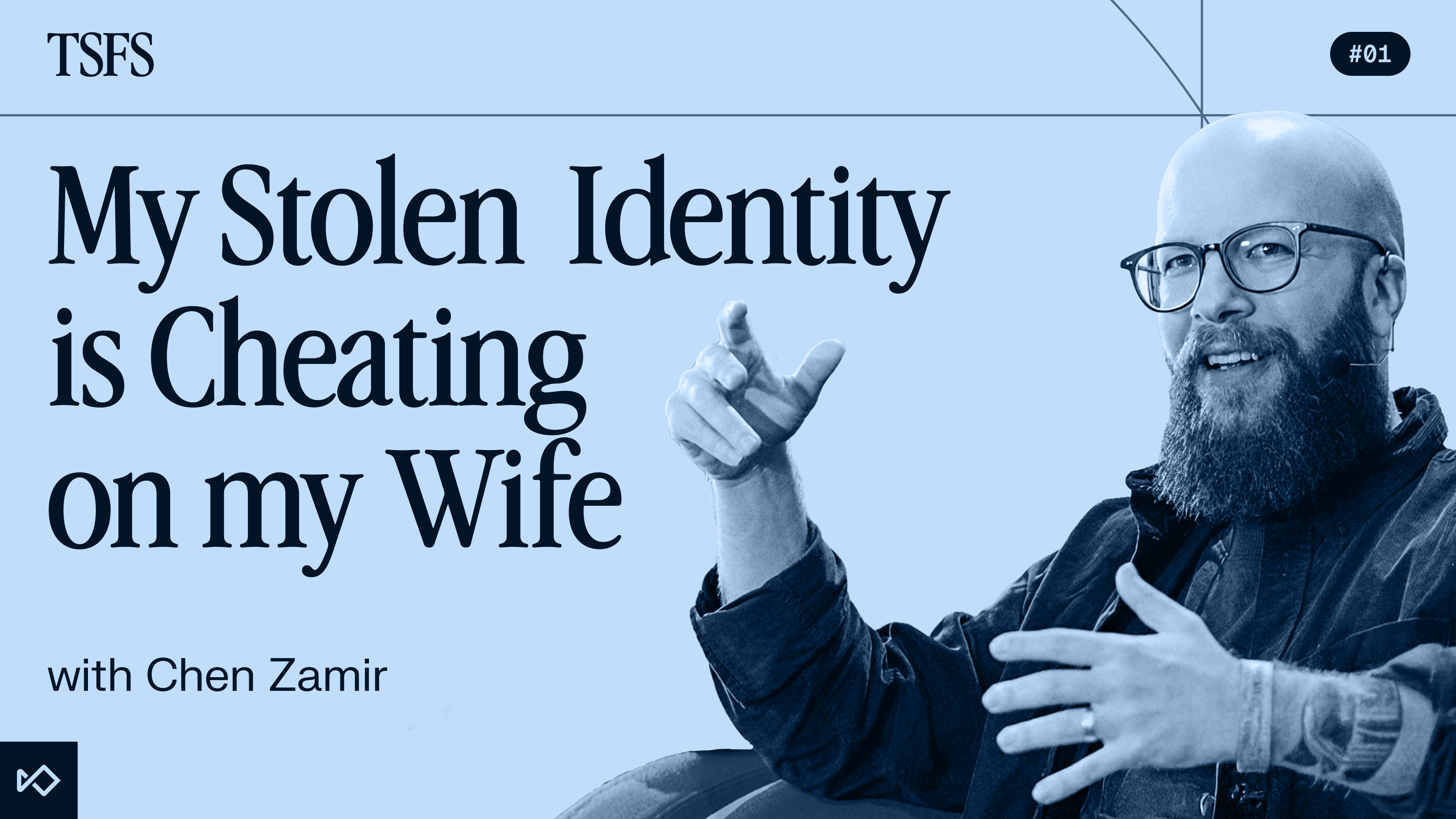
My Stolen Identity is Cheating on My Wife